9.8.2025
In early 2019, the United States and North Korea seemed to be on the brink of a diplomatic breakthrough. It was hard not to be optimistic after the 2018 summit in Singapore, which Trump deemed a “truly amazing visit” where "great progress was made on the denuclearization of North Korea.” And for a brief moment, this seemed to be the case. North Korean ICBM tests were down substantially, and the two states were preparing for another summit in 2019, this time in Hanoi, Vietnam. As the summit approached, the world watched with a mix of anticipation for potential denuclearization and skepticism surrounding Pyongyang’s oddly compliant character.
The Hanoi Summit ended abruptly, negotiations over sanction relief and nuclear dismantlement collapsed, and despite an unprecedented meeting in the Demilitarized Zone, there was still an apparent mistrust between the two nations. Just months later, North Korea was back to testing missiles at a higher rate than ever before. Furthermore, this rapid, but expected, crumbling of diplomacy was mirrored by darker, covert developments unfolding out of the public eye.
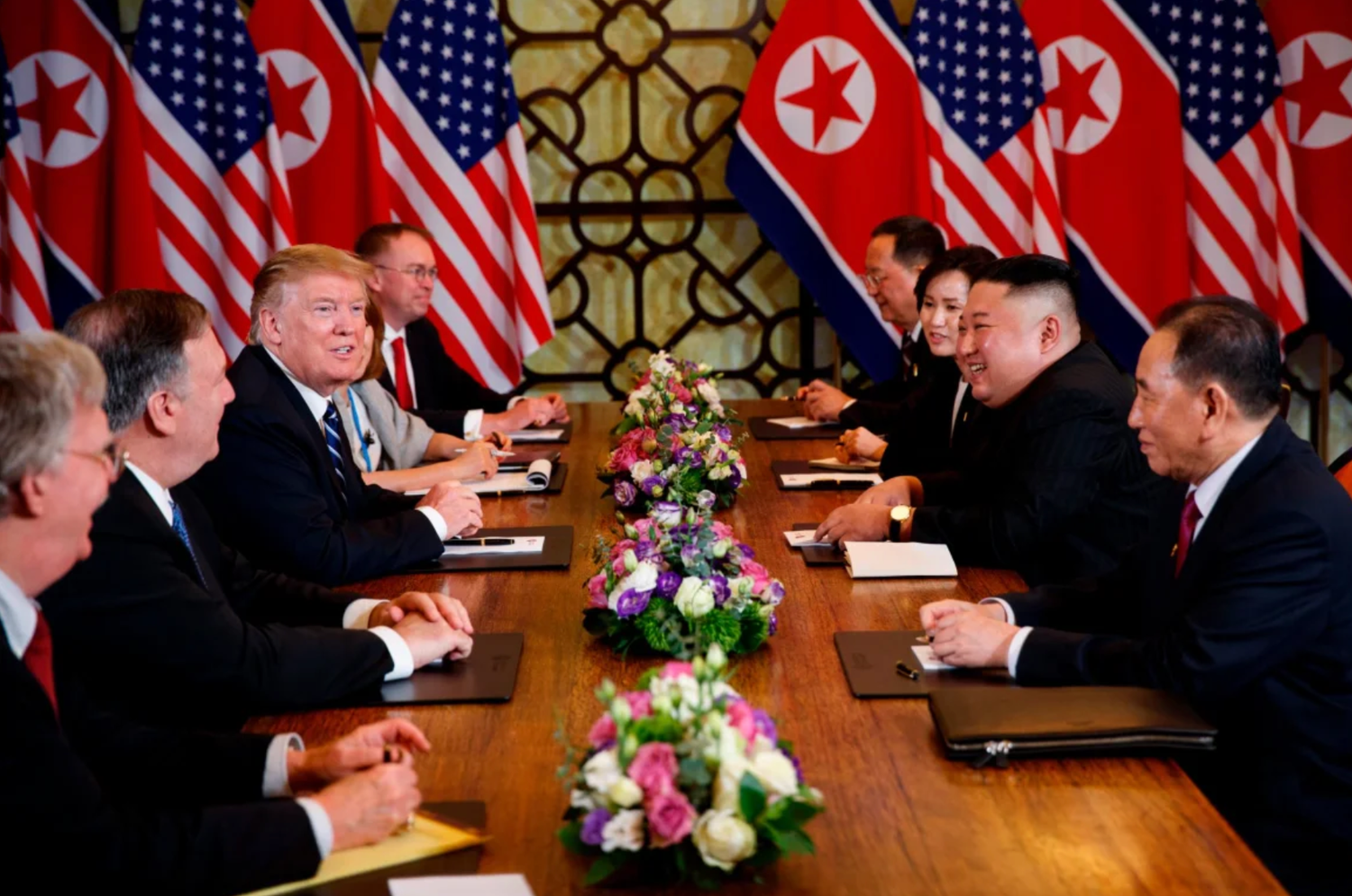
The United States and North Korean cabinets meet for the 2019 Hanoi Summit. Evan Vucci/AP
On September 5th, 2025, over six years after the Hanoi summit, the New York Times published a groundbreaking report, revealing that leading up to the conference, commando operatives had infiltrated Korean waters in a mission that went disastrously wrong. In early 2019, the notorious SEAL Team 6, credited with the mission that killed Osama Bin Laden, were tasked with planting a communication-intercepting device to gain a key strategic advantage over Pyongyang in their ongoing negotiations – a mission that required presidential approval. The team snuck into North Korean waters at night, docking a nuclear submarine offshore and using smaller submarines to approach the coastline, where the device would need to be planted. Reconnaissance suggested that there was no significant North Korean security presence in the area at the time. However, as the SEALs exited their crafts and went onto the beach, they noticed a boat. The boat was alarmed by one of the smaller submarines repositioning, and went over to investigate. Unsure of the status of the men on the boat, a SEAL made the split-second decision to open fire, killing 3 North Koreans. After swimming over to investigate, it became clear that these men were just fishermen, not security patrol, and their murder had been a grave mistake. The SEALs punctured the corpses’ lungs to ensure they wouldn’t float and sped off. Intelligence suggested a large uptick in North Korean military activity that night.
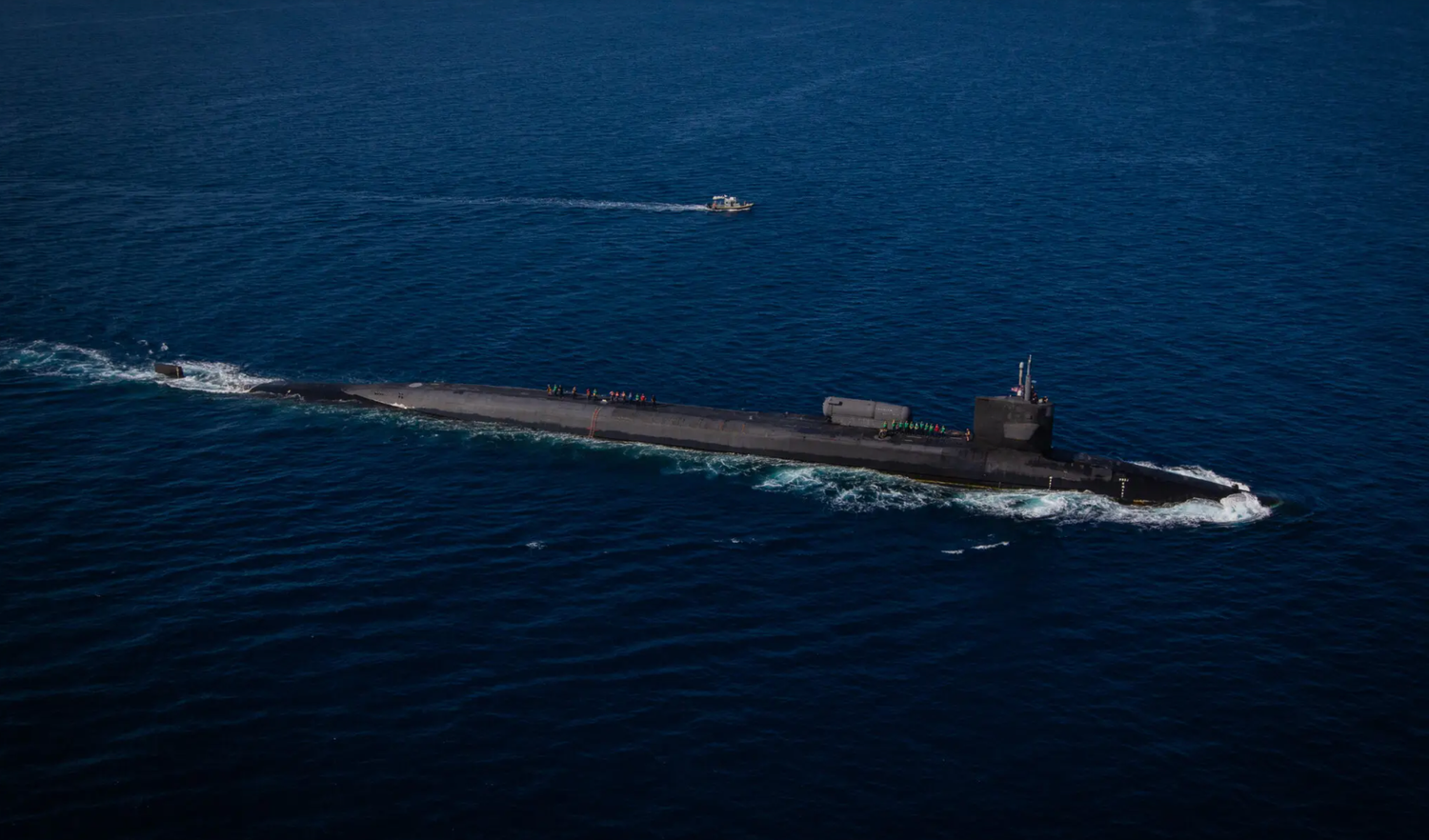
A photo from the NYT report details the sheer size of a nuclear submarine. Credit: Department of Defense (now War)
As I’m sure was the same for many who read this story for the first time, my initial reaction was utter shock. I am still confounded by the rogue nature of this mission. It really surprises me that we would send soldiers to infiltrate a nuclear-armed international rival, and honestly, it still sounds like something out of a Mission Impossible movie. After fully reading and digesting the article, however, the part that captivates me the most is the unfolding situation surrounding public response and potential scrutiny it draws to covert missions of this kind.
As explained in the NYT article, this mission was only known about by very select members of the government, and it wasn’t until 2021, under President Biden, that Congress was briefed. Recently, Trump denied knowing anything about the mission, and the White House has declined to comment.
The secrecy around this operation forced me to confront the troubling reality that military units like SEAL Team 6 are uniquely positioned to act beyond traditional oversight with seemingly no repercussions for failed missions. Not only are their actions unknown to the public, but in this case, they were unknown to even Congress until two years after they occurred. It begs the question of what happens when the very body tasked with holding the executive accountable cannot account for highly specialized military operations. This creates a gray zone where missions that can spark massive geopolitical consequences are conducted without any checks, or even acknowledgment, that they occurred.
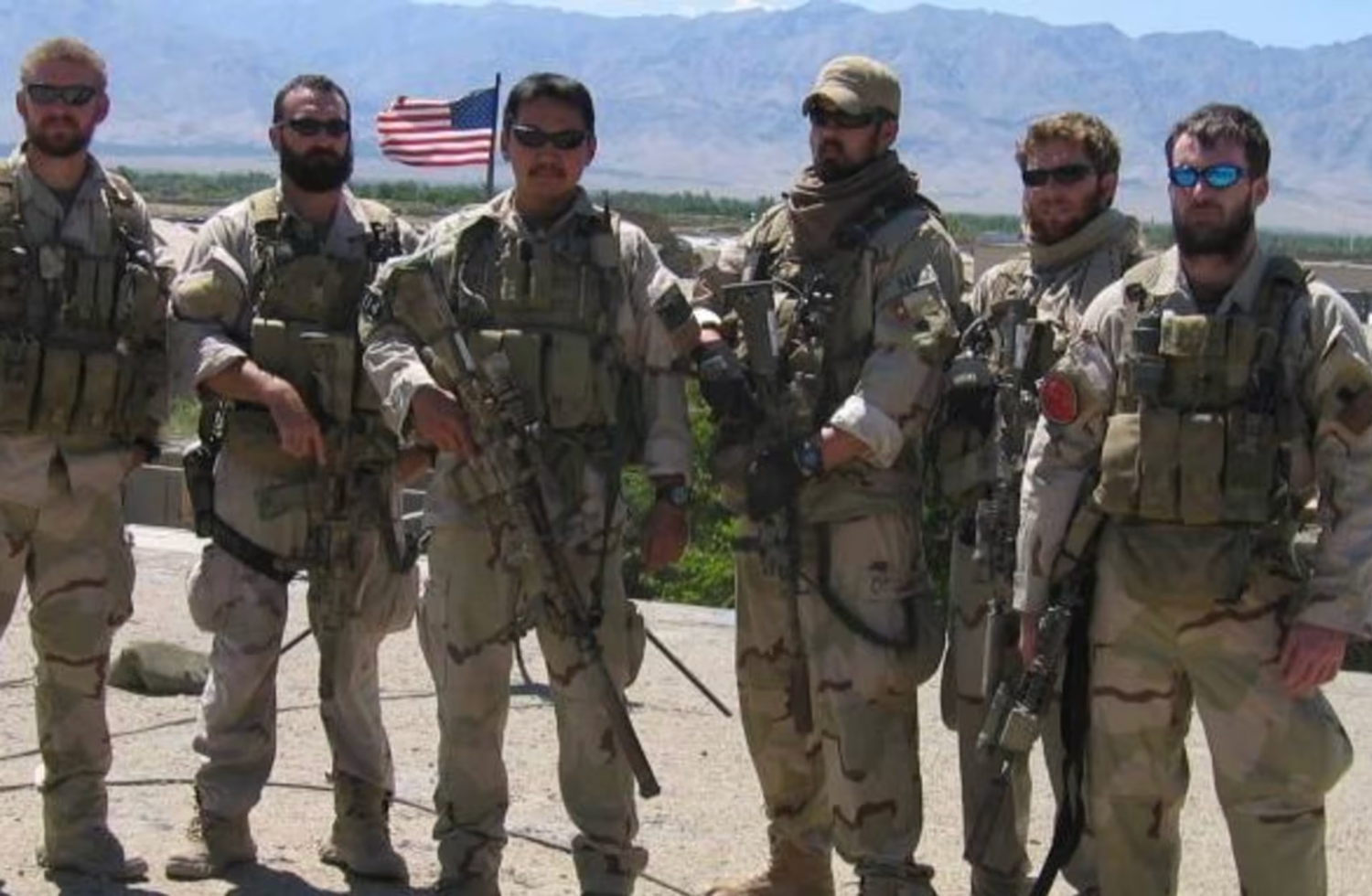
SEAL Team 6, circa 2005. Credit: Getty Images/US Navy
I think SEAL Team 6 especially benefits from a favorable image in the public eye. After killing Bin Laden, they have gone down as this near-mythical embodiment of the American military spirit, and we have completely overlooked strings of failures and botched operations. From the failed 1983 Operation Urgent Fury in Granada, to the failed 2013 Barawe raid in Somalia, and most strikingly to the 2010 rescue in Afghanistan where hostage Linda Norgrove was killed by a SEAL-thrown grenade, the 2019 North Korea mission seems to fit a pattern of extraordinary risk, devastating civilian consequences, and a near-total absence of accountability. Yet, due to their prestige and secrecy, failures often vanish while successes are magnified into legend.
I just find it unsettling that a story that began with promises of peace and diplomacy in 2019 now looks, in hindsight, like a reminder of how fragile those gestures were and how easily they can be undermined by the underground wars we wouldn’t hear about if it wasn’t for phenomenal investigative journalism. If we continue to glorify secrecy and myth over accountability, then the risks of escalation, tragedy, and silence will remain ingrained in the way we wage conflict.
Leave a comment!
Sources:
How a Top Secret SEAL Team 6 Mission Into North Korea Fell Apart, Dave Philipps & Matthew Cole, The New York Times, 9/5/2025
Trump says he doesn't know 'anything' about reported violent, failed SEAL Team 6 mission in North Korea, Ivan Pereira, ABC, 9/5/2025
How the US raid on al-Shabaab in Somalia went wrong, Abdalle Ahmed, Spencer Ackerman, & David Smith, The Guardian, 10/9/2013
DPRK (North Korea) Chronology for 2019, Nautilus Institute
Trump and Kim's Singapore summit: Sizing up the winners and losers, Meredith McGraw, ABC, 6/12/2018
