Reflecting on my capstone project
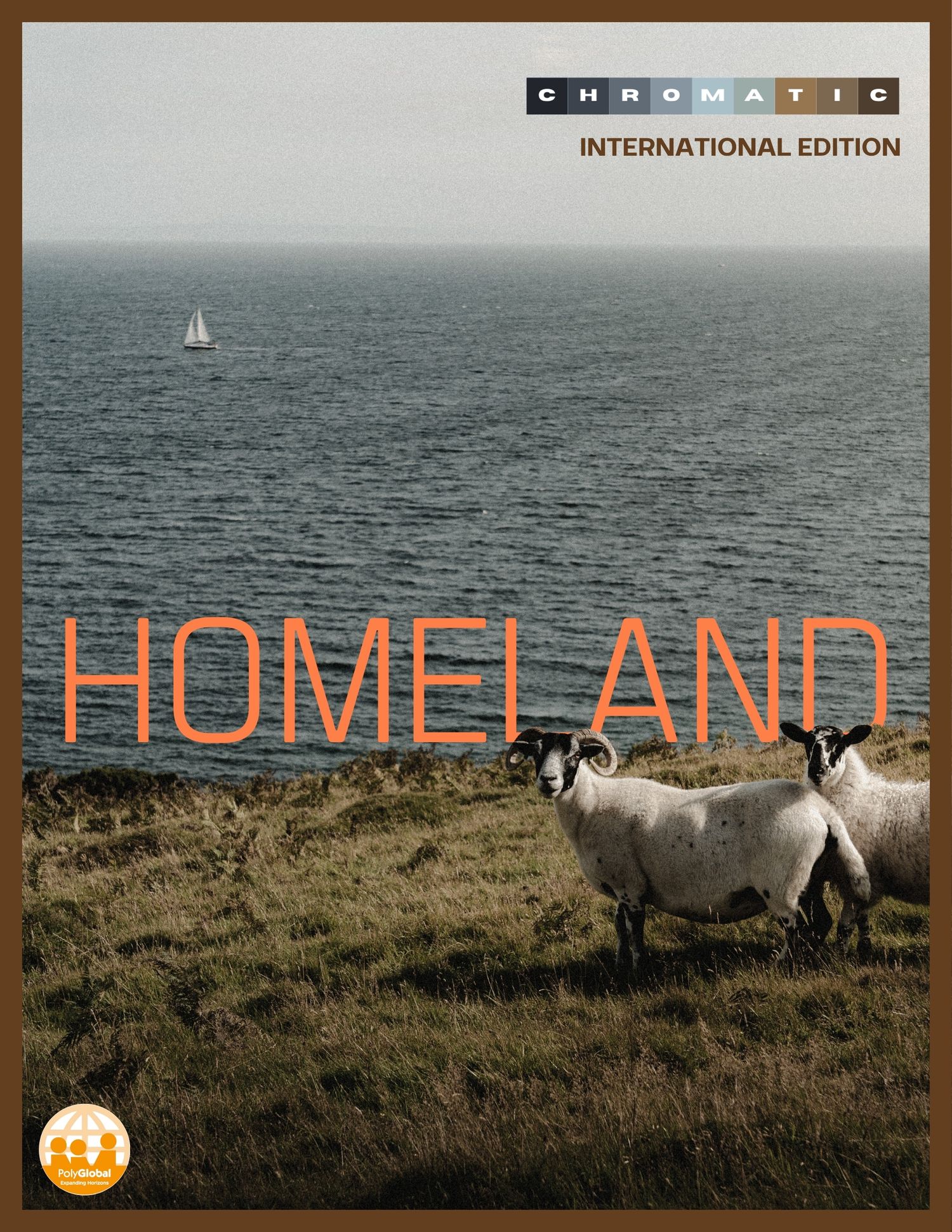
For my Global Scholars capstone project, I chose to make an international issue of Chromatic, the student art magazine I co-founded at Poly. I made the magazine with hopes of providing a community for high school artists to share their work and draw inspiration from the work of their peers and professionals. My favorite part of creating the magazine was having the freedom to curate pieces from students across California and see their art spark visual conversations across pages. I realized that these conversations weren’t limited to just local artists, and became curious what dialogues could be found between artists from around the world. Thus, my capstone was born. In all, the international issue of the magazine, themed Homeland, features work from six different photographers (two professionals and four young amateurs) and exclusive interviews with four of those six. I presented the final issue to a small, but engaged group of three of my fellow global scholars and Mr. Caragher on Monday, May 4th in the upper school library.
Presenting the final issue taught me how important context is when sharing creative work. Explaining my editorial choices to the group, and hearing others respond to the artists’ work showed me that the magazine succeeded in creating the kind of cross-cultural dialogue I had hoped for. Also, it was just fun being able to share something I had worked so hard on to a group that seemed enthusiastic to give honest and helpful feedback. My only regret was that I didn’t have any printed copies to show.
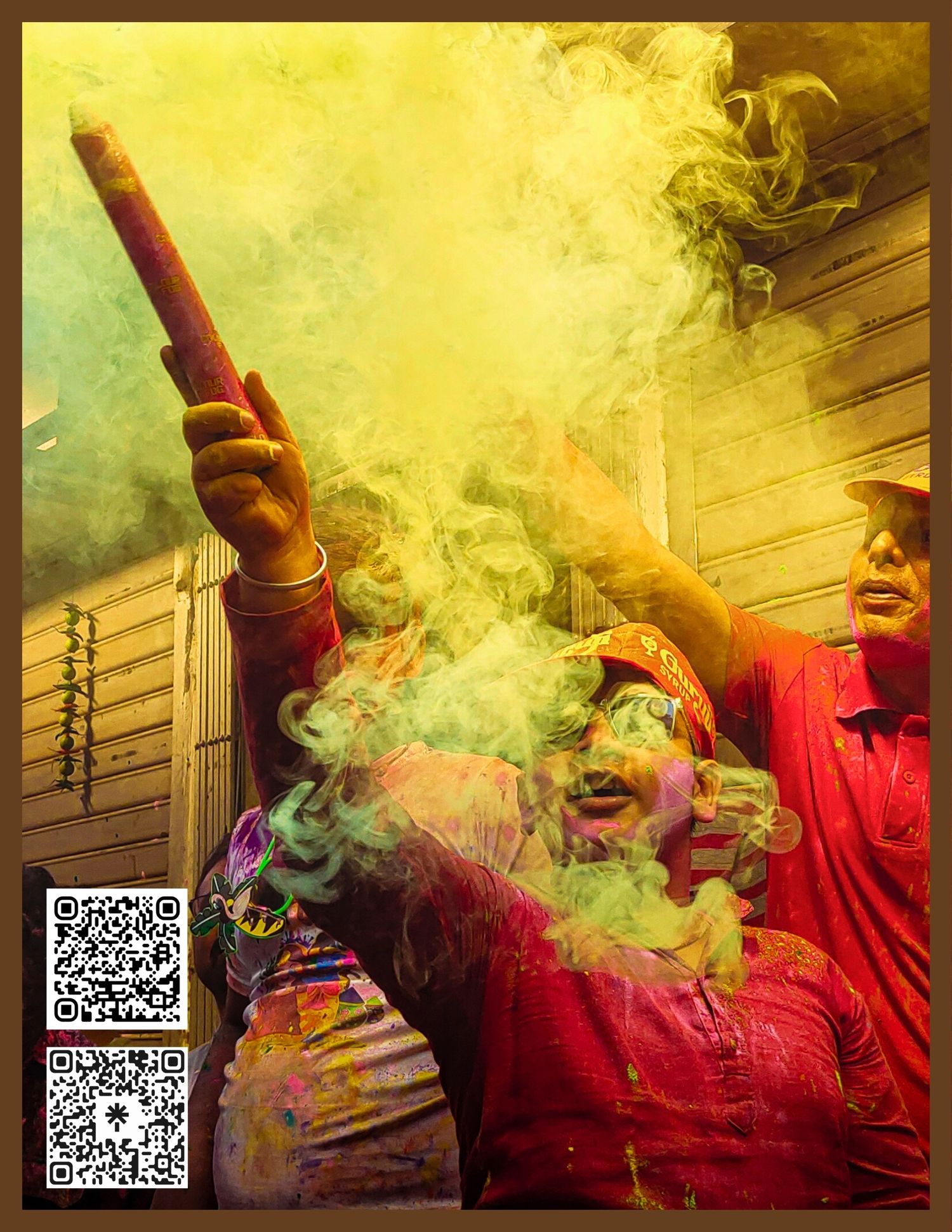
While assembling this issue, I think the biggest thing I learned about is the different ways people interpret and choose to express their homeland. For some, like Ankit Ghosh from Kolkata, his homeland is the people and culture that flow through the bustling streets. Meanwhile, for photographers like Victor Levy, his homeland is defined by the deep emotional connection he feels towards the natural environment of France’s coast. What I’ve come to realize is that the concept of a “homeland” is rarely just a physical place. It's often constructed through memory, tradition, belonging, and feeling. Seeing how differently each artist approached the same theme showed me how personal and geographical identity shapes the way we document the world.
If I had to do this whole project over, the only thing I’d do differently is start earlier. It was hard for me to really get this project off the ground at the start of the year due to college applications, so I missed out on a lot of valuable time that I could’ve been using to solicit submissions and conduct interviews. Of course, I feel extremely grateful for the six artists I was able to find, but I also would’ve loved to be able to platform more young artists from across the globe and have a more balanced representation in terms of geographic origin and gender identity (I unfortunately was not able to feature any artists from South America, and only got to talk to one female-identifying artist).
Overall, my biggest takeaway is that this project helped confirm to me that art can bridge cultural and geographic distance, creating conversations that remind us that identity and belonging are both deeply personal and universally understood.
If you're interested, please feel free to take a look at the final issue linked below!!