11.21.2025
On November 27, 2024 the Australian Parliament passed what is perhaps the most ambitious attempt to regulate minors’ use of social media ever. The Online Safety Amendment (Social Media Minimum Age) Act passed with a 34-19 vote from the Australian senate, and aims to restrict social media access for citizens under 16 years old. Although the legislation passed almost a year ago, it is finally moving into the active enforcement phase. By December 10, 2025, "reasonable steps" must be taken by companies to completely remove the 16-and-under presence on their platforms. In a November, 2024 press release, Prime Minister Anthony Albanese explained, “We know social media is doing social harm. We want Australian children to have a childhood. This is a landmark reform. We know some kids will find workarounds, but we're sending a message to social media companies to clean up their act.”
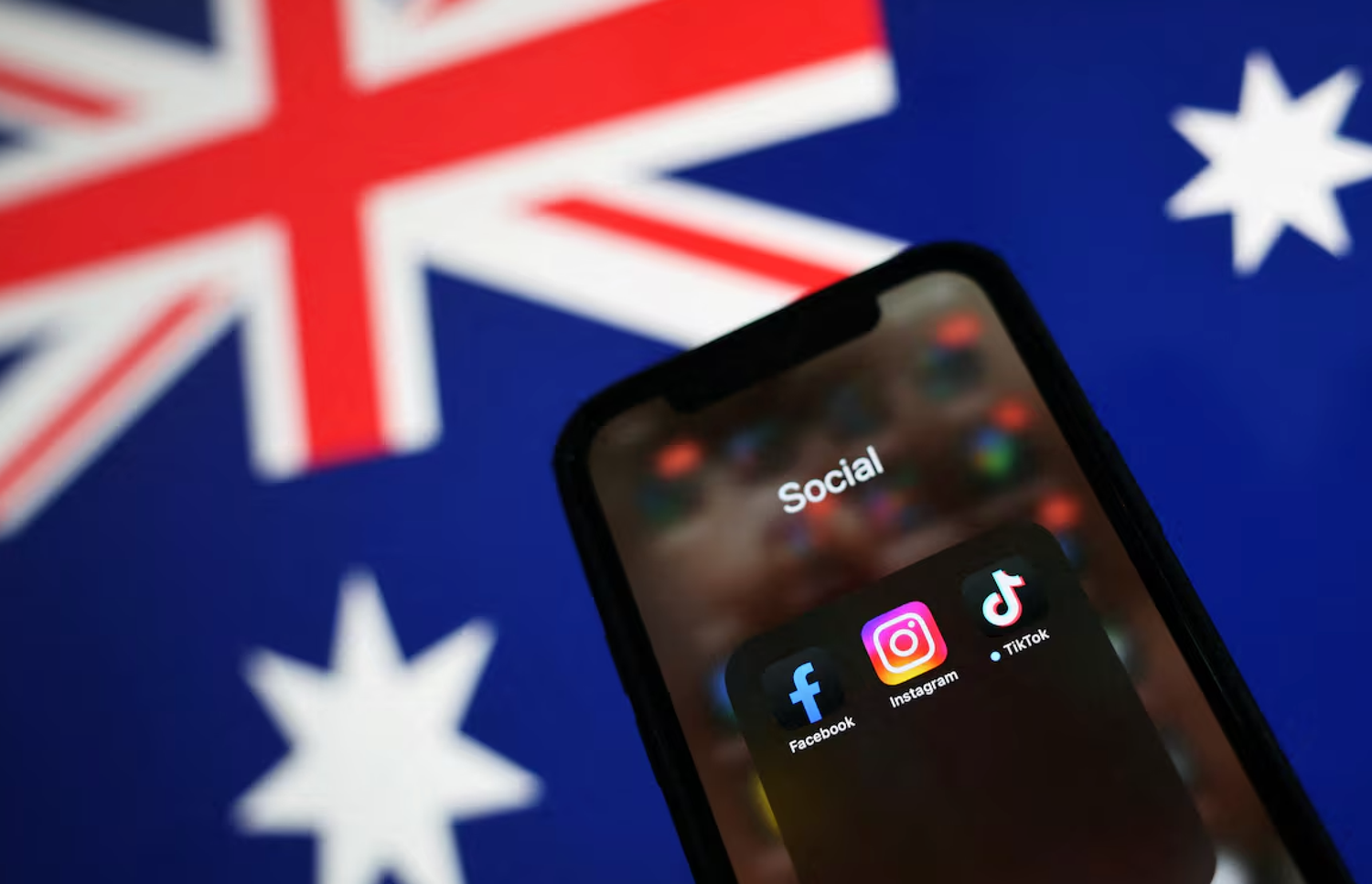
Australia is one of the leading countries in social media regulation. Photo Credit: REUTERS/Edgar Su
Background
This law isn’t a sudden development for Australia. In fact, they have been a global leader in social media administration and harm prevention for over a decade. In 2015, Australia created the e-Safety Commissioner, which is the first government agency in the world solely dedicated to online safety enforcement and regulation. The agency was later strengthened by the Online Safety Act, which granted the Commissioner board the ability to order the removal of content they deemed “harmful” across platforms, issue fines to tech companies for not complying, and require active online safety systems to be put in place. Additionally, Australia was early to adopt mandatory takedown requirements for content identified as violent or extremist. Along with potentially exposing youth to inappropriate or harmful content, social media platforms like TikTok and Instagram are designed specifically to keep children on the apps as long as possible, which lawmakers argue discourages physical activity and interaction. Because the country had already established the e-Safety Commissioner as a viable enforcement body that could compel major platforms to comply with takedown orders and transparency requirements, Australian lawmakers entered 2024 with a level of confidence in social-media-related legislation. This track record made Parliament more willing to expand government authority into the territory of age-restriction mandates and further intervention. The Online Safety Amendment Act of 2024 builds on this philosophy that Australia needs to set a global precedent for handling the creeping, and simultaneously ever-present, threat of social media.
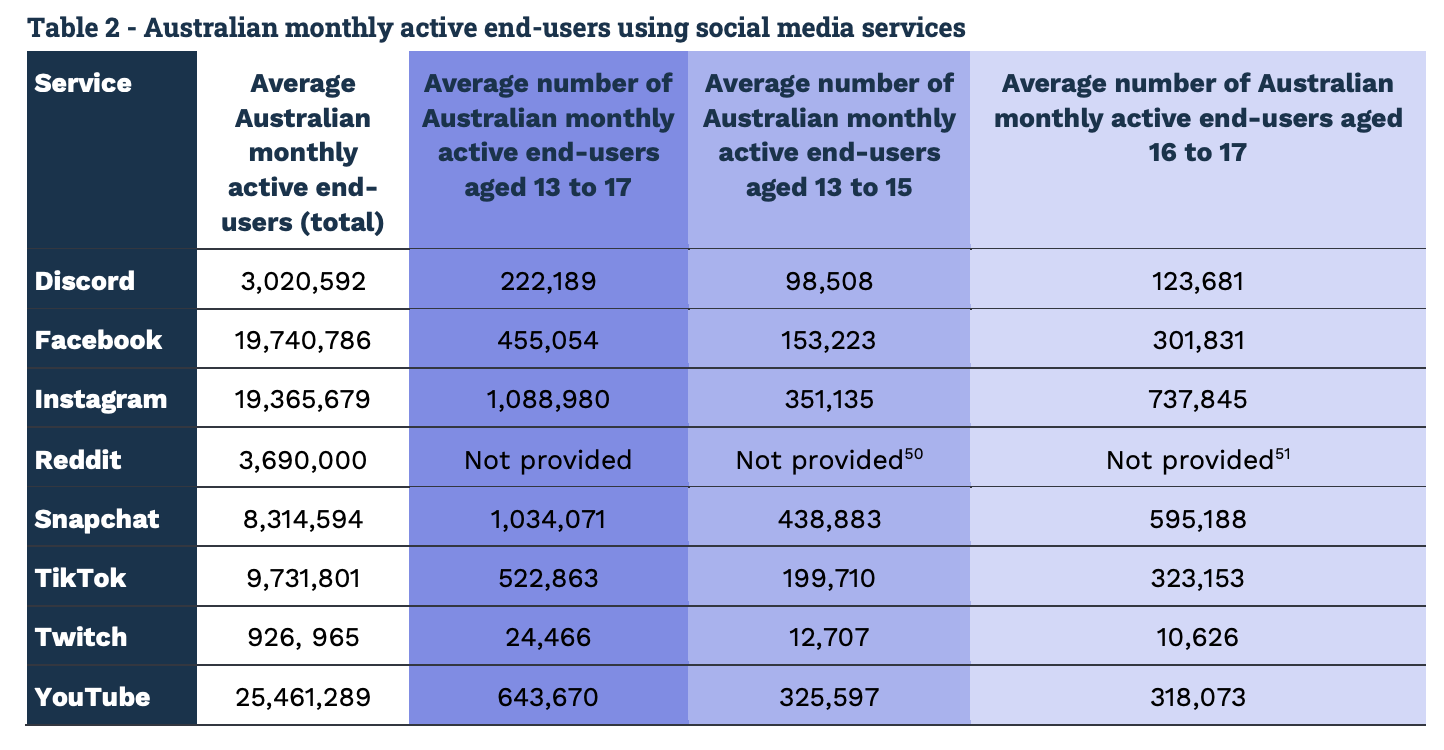
A table from the e-Safety Commissioner's February 2025 transparency report shows monthly users on different platforms
How the law works
The act mainly sets the minimum age requirement and the different methods for identifying and enforcing it. Currently, nine platforms are affected by this policy: Youtube, X, Twitter, Snapchat, Reddit, TikTok, Instagram, Facebook, Kick, and as of today, Twitch. As I said in earlier, these platforms, which are defined as “age-restricted social media platforms” are required to take “reasonable steps" to uphold this law. In this case, “reasonable steps” include implementing some form of age verification system, preventing new users under the age of 16, and deactivating current users. The age verification has been one of the most disputed aspects of this law, as it raises privacy concerns. Allowing users to self-report their age, although non-invasive, is extremely ineffective. Platforms’ collection and verification of photo IDs, however, puts private information in the hands of notoriously unreliable parent companies like Meta and Bytedance, which have each had their respective data-sharing scandals. Consequently, the 2024 law actually prohibits collection of government-issued IDs, and instead urges companies to use alternative methods. Additionally, in the interest of privacy, the law stipulates that any data stored for the purpose of age verification must be deleted shortly thereafter.
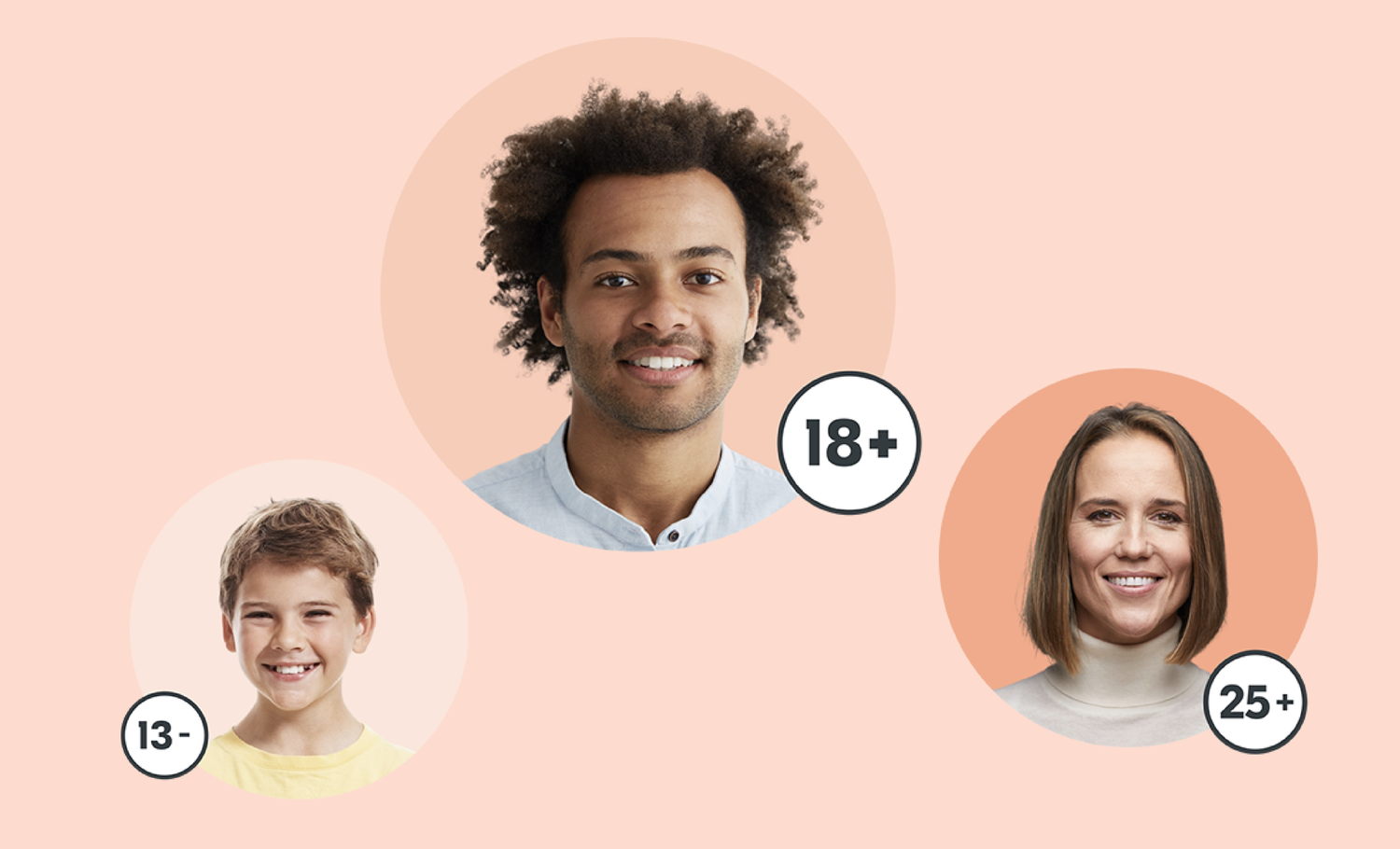
Age verification softwares like Yoti, which is used by Meta, can analyze facial features to determine age without requiring private documents
My thoughts
In my opinion, this law is definitely taking steps in the right direction, but it also leaves a lot to be desired. I think that in general, regulation of social media is a good thing, as it prevents the dissemination of harmful ideas to the general population. My concerns, which are echoed by other opinions I’ve seen while researching, are that it’s difficult to arbitrate what “harmful” information is, and that forcing complete social media abstinence could stunt necessary development in children. To touch on the first point, the Australian government has given itself the judicial power to force platforms to take down certain posts, and I think this raises questions about free speech. If the government plays judge, jury, and executioner, what’s stopping them from suppressing activists, or opposing viewpoints? To continue, I think that the bill shouldn’t only focus on complete removal of kids from social media. If children grow up with no exposure to social media, they miss the chance to learn how to use it responsibly. As a result, when they eventually gain access at 16, they may engage with it in riskier, less informed ways than if they had gradually learned to navigate it earlier. For this reason, I think it’s important that with a social media ban comes educational requirements in media literacy courses so when the time does come, people know how to responsibly navigate social media.
Conclusion
Australia’s Online Safety Amendment is a bold step toward protecting children from the potential harms of social media, but I’m concerned about its implications on privacy, free speech, and preparing youth for the digital future. I encourage readers to monitor how platforms implement these rules, and to think about how they would feel if they had to abide by these policies. I’m interested to see how this law unfolds in practice because I believe it will reveal a lot about the future of youth protection, digital rights, and company accountability.
FAQs
Per the suggestion of Mr. Caragher, I’m trying to incorporate a new FAQs section into this blog. To gather these questions, I had my parents read the post above and then asked them if there was anything that they’d like to know more about. Their two main questions were:
- What do the social media companies have to say about this?
- Will we see this in the US anytime soon?
Question one happens to be nearly identical to what was covered in a recent article by the BBC, which answers it much more eloquently than I could, so I’ll refer the reader to this link. For question two, I think it’s unlikely that the U.S. will adopt a law exactly like Australia’s in the near future. From what I’ve gathered, American policymakers tend to prioritize First-Amendment protections, making government-imposed social media bans on minors legally tricky.
Leave a comment!
Sources
E-Safety Commissioner. Behind the screen: Transparency report. February 2025. Accessed November 21, 2025. https://www.esafety.gov.au/sites/default/files/2025-02/Behind-the-screen-transparency-report-Feb2025.pdf?v=1763610685137#page=35.
Fardouly, Jasmine. "Potential Effects of the Social Media Age Ban in Australia for Children Younger than 16 Years." In The Lancet Digital Health. 2025. https://doi.org/10.1016/j.landig.2025.01.016.
Guzman, Chad de. "Meta Begins Removing Young Users Ahead of Australia's Social Media Ban." Time Magazine, November 20, 2025. Accessed November 21, 2025. https://time.com/7335378/meta-australia-social-media-under-16-ban/.
Livingston, Helen. "Australia is banning social media for kids under 16. How will it work?" BBC News, November 20, 2025. Accessed November 21, 2025. https://bbc.com/news/articles/cwyp9d3ddqyo.
Nott, Lata. "Free Speech on Social Media: The Complete Guide." Freedom Forum. Last modified October 12, 2023. https://www.freedomforum.org/free-speech-on-social-media/.
Ritchie, Hannah. "Australian Social Media Ban on Under-16s Approved by Parliament." BBC. Last modified November 28, 2024. https://www.bbc.com/news/articles/c89vjj0lxx9o.
