Initial Thoughts
We're in the doldrums of summer now; Days are hot and long, friends are away on vacation, summer reading deadlines are becoming inevitable, and the panic of college applications is looming over it all. Last year around this time, we had the thrill of the summer olympics to look forward to. This year, we’re just left with highlights. As much as I love the tradition and competition of the games, however, I can’t help but think about a speaker who made me look at them under a more critical eye. A couple summers ago, I attended a talk with a representative from NOlypmics LA, a collective that is against the upcoming LA28. I remember thinking: how could someone possibly be against the olympics? And honestly, even after her talk, I still wasn’t so convinced. So, I decided that in this dead period, where the hype from the last games has died down, and the hype for the next games is yet to build up, I’ll take the time to critically examine the effects that the olympics has on its host cities, and if calling the games “home” is really such an honor.
The logo of NOlympics LA
The Good
Aside from being a spectacle of peak human achievement and ceremonial international unity, the olympics can bring clear economic and social benefits. For example, the 1992 Barcelona games stimulated urban development and changed the global and local view of the Spanish city. A 2022 article by Joan Antoni Guerrero Vall of the Open University of Catalonia explains that “the 1992 Olympic Games created funding mechanisms that enabled an urban transformation that had been in the pipeline for a long time,” and that Barcelona’s announcement that they would host the games was the “trigger” that prompted this change. In the years leading up to and after the Olympics, unemployment dropped almost 9%, tourism increased by the millions, and “an image of Barcelona as a cosmopolitan, modern and creative city was projected.” Now, readers of my last blog post may know that tourism is one of the main causes of the current crisis in Barcelona, but for the sake of argument we can chalk those problems up to poor urban planning and legislation, and classify the Olympics at face value as economically beneficial in this case. The 2012 London games also saw the introduction of new infrastructure to East London, but in this example, it was planned with long term goals in mind. The formerly-industrial area of Stratford was turned into a vibrant public space, with Londoners still enjoying Queen Elizabeth Olympic Park and an enhanced public transportation system. Even the 2020 Tokyo Games, which were notoriously delayed due to COVID, emphasized innovation and sustainability. They featured cardboard beds, medals made from recycled material, and in some cases even hydrogen-powered vehicles. When done right, the Olympics are undoubtedly a good thing, inspiring hope, celebrating innovation, and offering lasting infrastructure. This begs the question, however, what happens when the Olympics are done wrong, and how do we make sure that doesn’t happen?
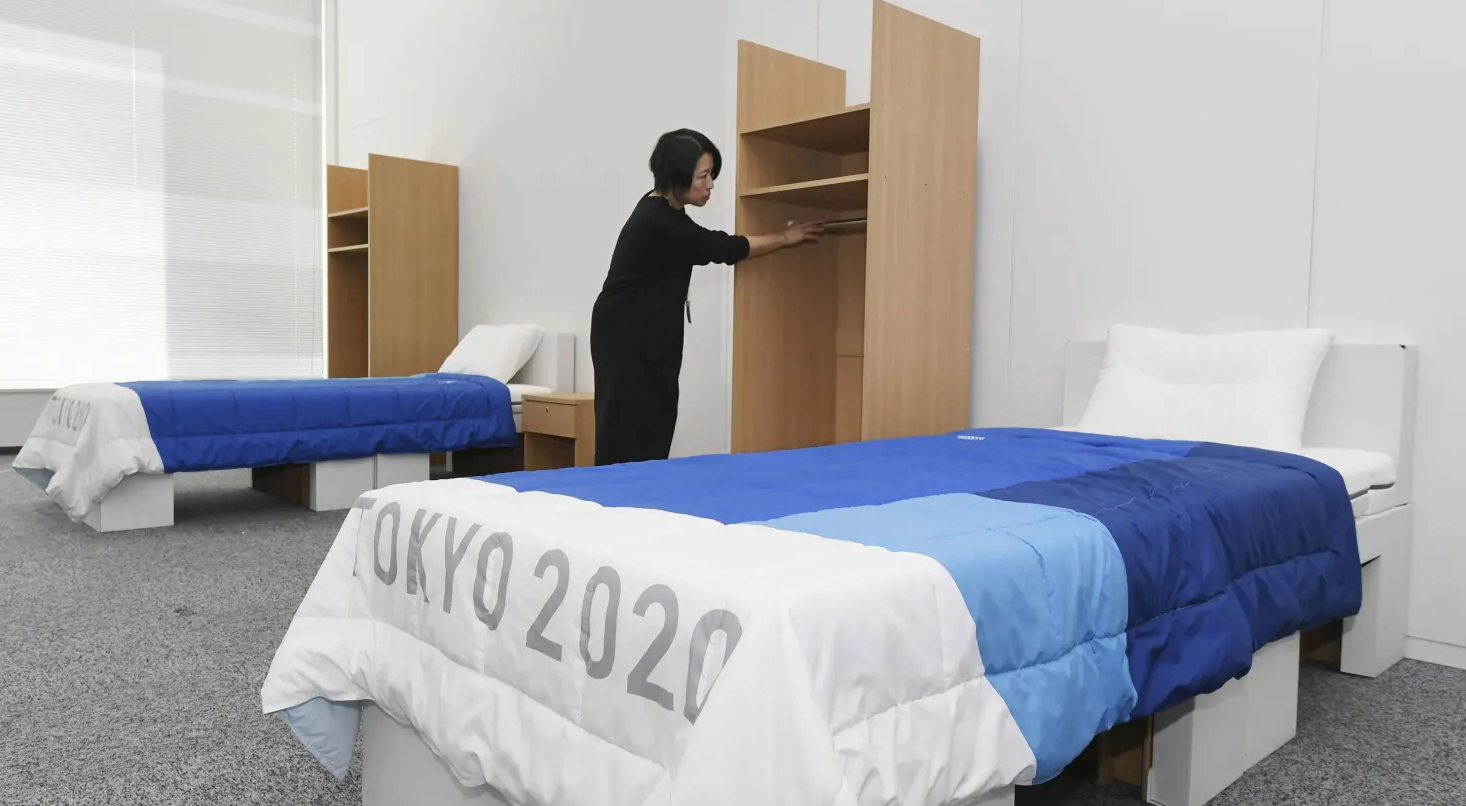
Tokyo 2020 provided athletes with cardboard beds as a part of their sustainability effort. Photo credit: Reuters
The Bad
Athens 2004 has kind of become the manifestation of "The Bad" when it comes to Olympic planning. Greece spent over $11 billion on the games, which was more than double the original estimate. Most of this money was invested into modernizing and constructing new venues to house the many events. Despite the temporary explosion of tourism and global buzz that it brought to the city, the games still proved to be financially detrimental. In 2004, Greece was doing well economically, and irresponsibly poured money into these projects. In the years after the games, the high levels of national participation of sports that is usually seen after the Olympics died down, and so did the attendance at these billion-dollar stadiums. Now, many of these stadiums are vacant and dilapidated, partially reflecting the current Greek economy. Jacques Rogge, the Head of the International Olympic Committee admits that 2-3% of Greece’s current external debt could be attributed to the games. In a 2012 article by Time Magazine, a Greek Gymnast reflected “Now we are bankrupt and everything just gets worse and worse every day. It’s hard not to see a connection. It’s hard not to think that maybe it wasn’t worth it.” Athens isn’t the only example of a games-gone-wrong; Rio 2016 raised controversy as thousands of people were forcefully evicted from favelas to make space for the games, and Montreal took 30 years to pay back the debt from their 1976 games. Together, these examples show how easily the promise of the Olympics can be outweighed by poor planning, overspending, and long-term consequences that host cities are left to manage alone.
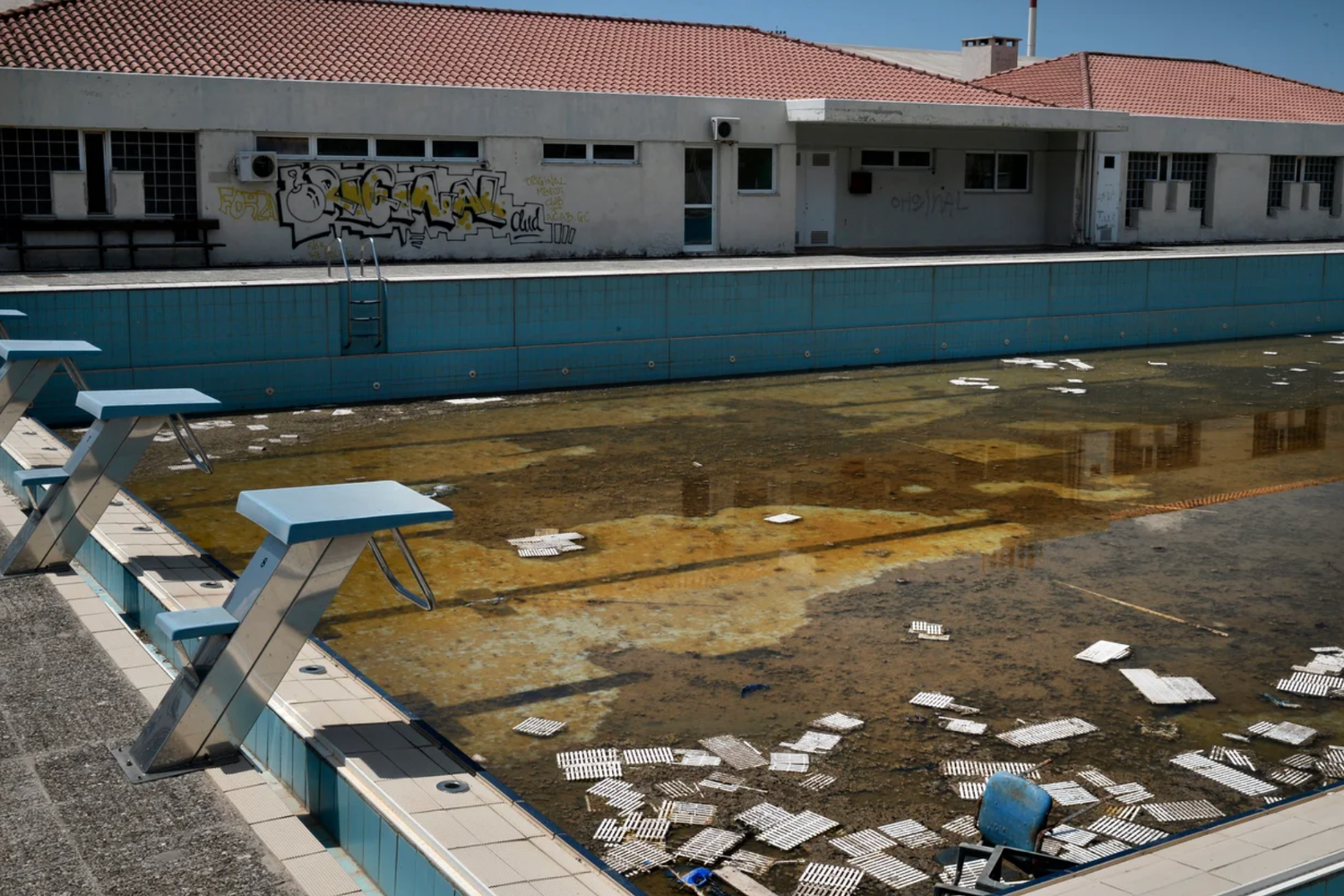
The ruins of Athens, 2004. Photo Credit: Milos Bicanski, Getty Images
The Future
Looking ahead, the 2026 Winter games in Milan Cortina and 2028 Los Angeles games are just on the horizon. Will these be a success, or another story of tragic mismanagement? For now, I’m choosing to be optimistic, and here’s why: Milan-Cortina plans to reuse over 90% of its venues in order to reduce expenses and potential environmental damage as a result of industrialization. LA28 plans to take a similar course of action. Already being a major global sports hub, LA has access to many world-class stadiums and facilities like SoFi and Crypto.com, which will take some of the load off construction-wise. Additionally, LA metro has launched “28 projects by 2028,” which aims to fix LA’s public transportation (or lack thereof) before the opening ceremonies. Both host cities have emphasized legacy planning and community integration, but the real test will come after the closing ceremonies. If these Games can deliver long-term benefits without repeating the mistakes of places like Athens or Rio, they may offer a new blueprint for responsible Olympic hosting in the future.
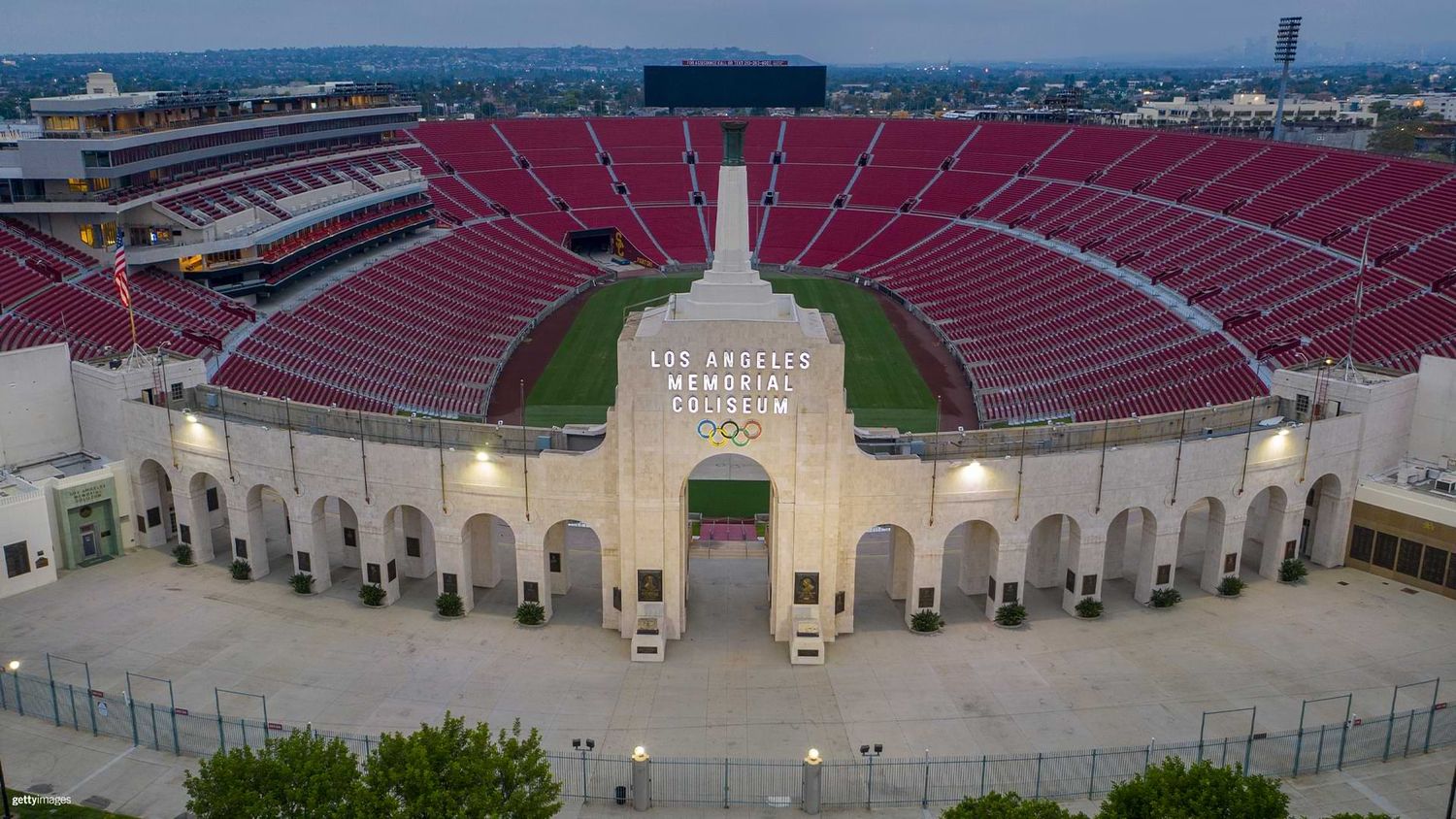
LA28 will use preexisting infrastructure, like the Coliseum, which famously hosted the 1984 Opening Ceremony. Photo Credit: LA2028
Sources
"Thirty years since the 1992 Olympic Games: the historic event that transformed Barcelona" By Joan Antoni Guerrero Vall, UOC, 2022
"Was It Worth It? Debt-Ridden Greeks Question the Cost of the 2004 Olympics" By Time Staff, 2012
"2004 Athens Olympics Contributed to Greek Debt, Says Games Official" By
Apostolos Papapostolou, 2011
"Economic Growth and Tourism" By the International Olympic Committee, 2019
"Barcelona 1992: A model of Olympic Legacy" By the International Olympic Committee, 2019
Olympic athletes will be sleeping on cardboard beds at the Tokyo 2020 Games" By Elly Cosgrove, 2020
