Anti-Tourism Protests in Barcelona
6.18.2025
On Sunday, June 15th, the streets of Barcelona were crowded not by the typical tourist, but instead, by locals protesting their presence. Every year, over 32 million tourists visit the Spanish city, a major uptick when compared to pre-pandemic numbers which were around twelve million less. Meanwhile, the local population of only around one million struggles to adjust to the massive pressure that this influx puts on their daily lives and the economy. As tourists continue to flock to the historic city, the list of local grievances grows longer, as worries include increased housing prices, an unstable job market, infrastructural strain, and just the overall livelihood of the city. At the same time, however, Barcelona's economy is largely driven by tourism, so I was interested to look into the disparity between economic production and the clear frustration of the local population.
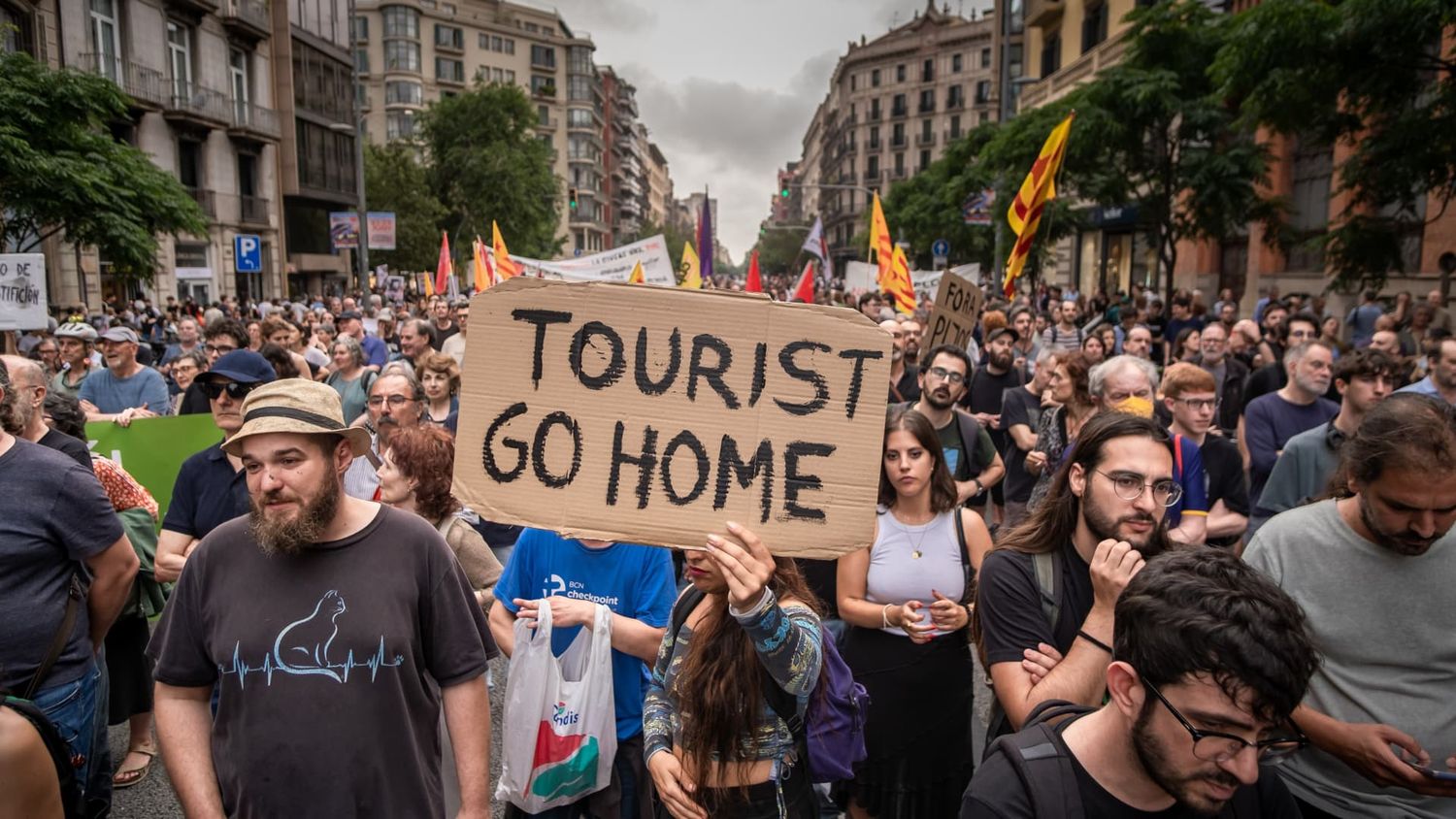
Anti-tourist protesters fill the streets of Barcelona. June 19th, 2024 -Emilio Morenatti/AP
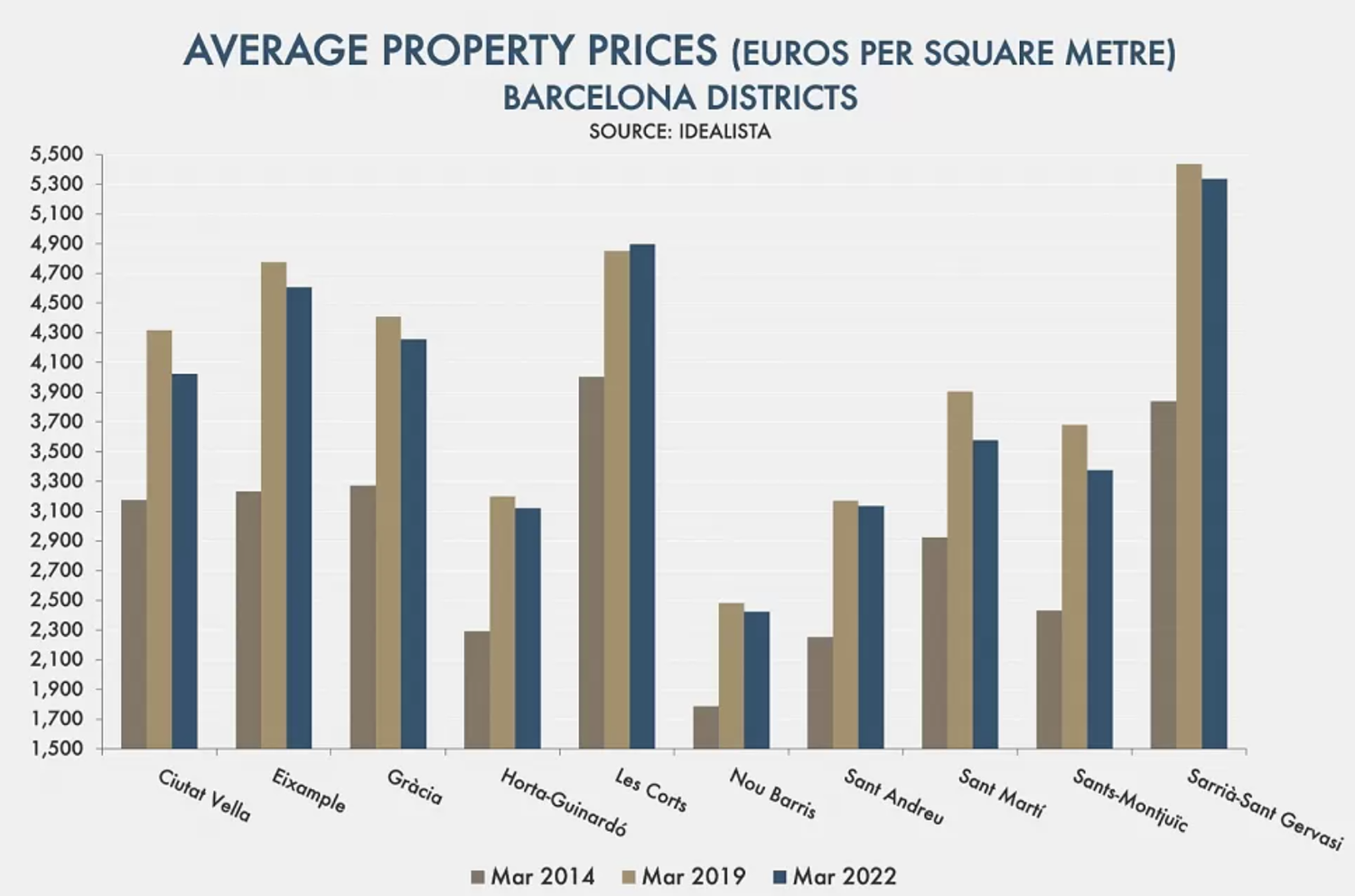
Despite backlash, tourism is vital to Barcelona. Tourists contribute nearly ten billion euros to the economy annually (about 14% of Barcelona's GDP), and about 14% of all jobs are directly related to the tourism industry. However, with this economic stimulation, prices rise as well, especially in housing. Of the 32 million annual visitors, around 12 million stay in accommodations like hostels, hostels, rental housing, or Airbnbs. As a result, the demand for short-term accommodations has skyrocketed housing prices, with the average rent increasing by 68% over the last decade. Additionally, during this housing crisis, the city of Barcelona has done little to help its residents. As short-term tourist rentals have expanded, long-term housing options have shrunk, pushing locals out of central neighborhoods and driving up costs far beyond what many can afford. With wages stagnant and rent (averaging around 15,000 euros) consuming nearly half of the average salary (about 33,000 euros), many residents are being priced out of their own city.
Housing isn't the only area that tourism impacts. The jobs created by the tourism industry, which many rely on, are notoriously unstable. Because of the seasonal nature of tourism, nearly half of the jobs are non-permanent, which leaves much of the population at risk to uncontrollable shifts. With all of these factors piling up, the response from locals is understandably negative. But when weighing the pros and cons is this hostility justified? Well, first, I think it's important to note that many who are anti-tourism do recognize its significance to the economy, and as a result are not calling for a total stoppage. Instead, they want to end what they deem as "over-tourism." They believe that the current rates of tourism exceed the city's capacity to handle them in a manner that is harmonious with local quality of life. Additionally, these recent protests were not the first of their kind. For years, Barcelona has started to push back against tourism, seen through street art reading "Tourists go home," among other things. Recently, these frustrations have escalated into more organized and visible demonstrations. Protesters have taken to the streets armed with water guns, spraying unsuspecting tourists as a playful yet pointed symbol of resistance. Their message is not aimed at individual visitors, but instead at the unchecked system that prioritizes tourist dollars over residents’ well-being, turning Barcelona into what some have described as a “theme park” rather than a livable city.
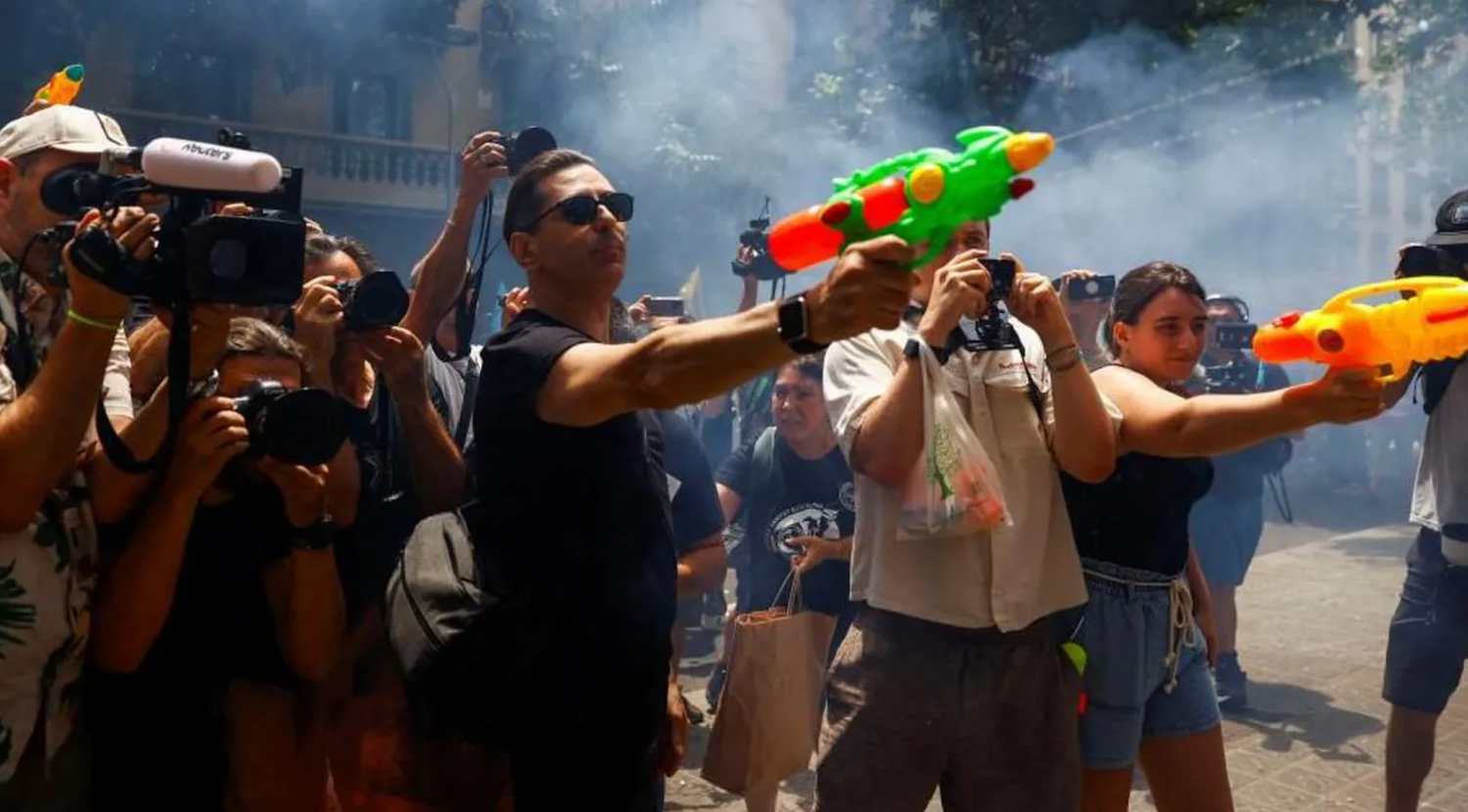
The water gun has become a symbol of local resistance in Barcelona. - Reuters
My main takeaway from this situation is that yes, tourism will always play a vital role in Barcelona’s economy, but without meaningful regulation, its unchecked growth risks destroying the very culture and community that make the city so attractive in the first place. Additionally, this struggle reflects a growing global challenge, as cities worldwide will have to adapt and balance touristic growth with the preservation of local communities.
Sources
EMORY ECONOMICS REVIEW, "The Economics of Tourism in Barcelona"
BBC News, "The protesters and residents pushing back on tourism in Barcelona"
The New York Times, "Protests in Europe Target Mass Tourism With Squirt Guns and Roller Bags"
The Guardian, "‘A vicious circle’: how the roof blew off Spain’s housing crisis"
Examining Human Rights Infringements in Kazakhstan
5.28.2025
As I talked about in my last blog post, when I visited Almaty, the former capital of Kazakhstan, I was stunned by the violence that occurred when citizens tried to speak out against their government. While my last entry talked more about my personal experience, I would like to use this writing to look into the extent and forms of suppression in Kazakhstan from a more comprehensive lens.
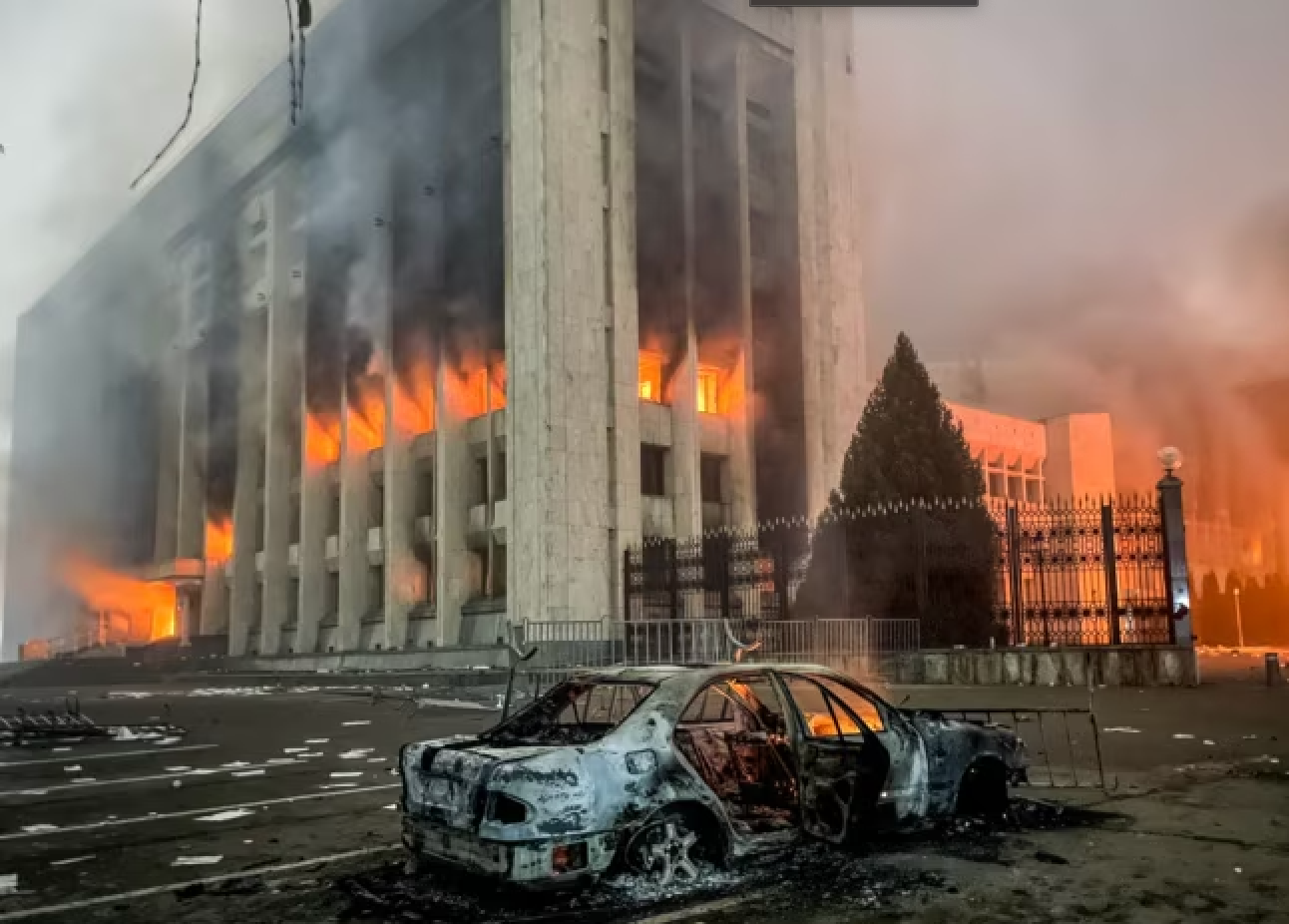
A burnt-out car is seen by the mayor’s office in Almaty as protests spread across Kazakhstan on January 5. - Valery Sharifulin
Although it’s remained a relatively stable country since it split from the USSR in 1991, Kazakhstan has been the subject of criticism for its lack of political freedoms and human rights protections. According to Human Rights watch, “Authorities in Kazakhstan routinely violate the rights to peaceful assembly, freedom of expression, and freedom of association.” This observations are most notably manifested in 2022’s “Bloody January,” a weeklong series of unrests which ended with 227 civilian deaths and nearly 10,000 arrests. During this time, the Kazakh government also shut down the country’s internet access, another method of suppression that is new to the digital age.
Even after Bloody January, the Kazakh government’s regulation of the internet has infringed on its citizens’ freedoms. Freedomhouse.org is a website that evaluates the internet freedom of countries. On their scale, Kazakhstan received a score of 36/100 points, rating it as “Not Free.” One of the key aspects of this report include the surveillance of internet activities by the government. By using a Russian program called SORM, Kazakhstan inspects and monitors internet activity in real-time. This surveillance extends to encrypted social media platforms, like Telegram and Whatsapp. By using additional spyware, the government finds and persecutes activists and journalists, threatening them with violence, torture, and arrest.
Although the mass protests in 2022 were significant, the government has done everything in its power to avoid acknowledging their happening. Additionally, in what’s seemingly an assertion of governmental dominance, they have taken no accountability for the hundreds of deaths, and refuse to further investigate the murders and human rights abuses. Vague “extremism” laws limit political discourse and opposition, and media regulations give the government control over online outlets and foreign media. Furthermore, violence against women remains prevalent, with domestic violence still not considered a crime, and there are no legal protections against sex-based discrimination.
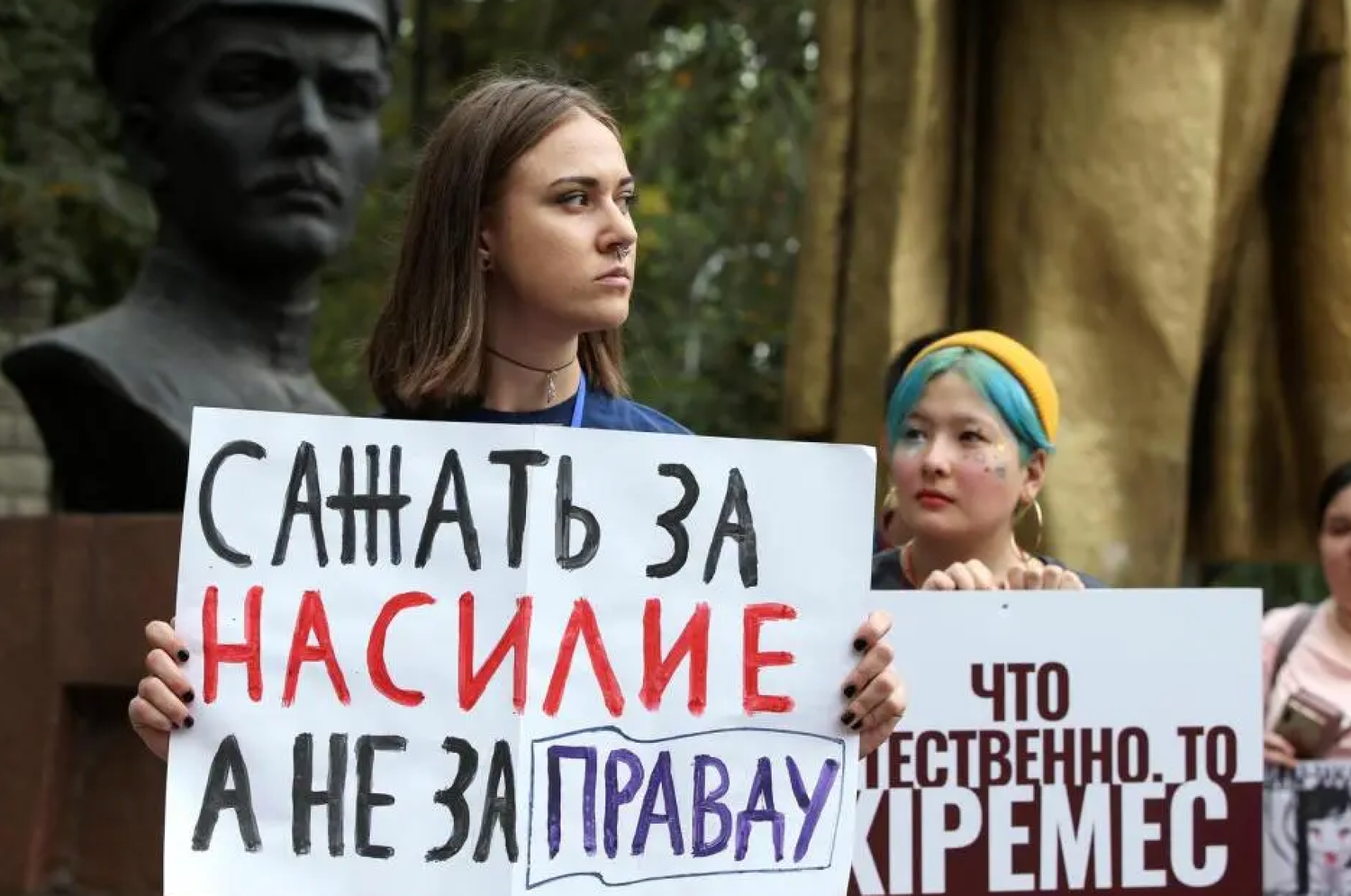
Kazakh women protesting for domestic rights in September, 2019. - Pavel Mikheyev
I was shocked to learn about the extent of human rights infringements in Kazakhstan because, quite frankly, as American Tourists, this was not the side of the country we saw. Aside from the faint markers of tragedy in places of protests, I wouldn’t have known about any of these problems from my time there. For me, this disconnect between the polished image presented to visitors and the lived reality for many citizens highlights how authoritarianism can be masked by surface-level normalcy. It’s a reminder that tourism often offers a curated experience, one that can obscure systemic repression and suffering. Learning about these issues doesn’t just change how I view Kazakhstan, but also emphasizes the importance of looking beyond appearances and listening to the voices of those who are silenced.
Sources
Human Rights Watch, "Calling Out Kazakhstan on Domestic Violence"
Human Rights Watch, "World Report, Kazakhstan"
Freedom House, "Key Developments, June 1, 2023 – May 31, 2024"
Amnesty International, "Kazakhstan 2024"
Reflecting on my experience abroad in Almaty, Kazakhstan
4.21.2025
Over spring break, I went to Almaty, Kazakhstan with a group of my classmates. Getting to the city was no easy feat, requiring a 24-hour travel day that left us all stiff and jet-lagged. After some settling in, though, we were ready to take on whatever awaited us.
For two weeks, we visited local schools, hiked in the mountains, shopped in a bazaar, ate at traditional restaurants, met with artists, learned about archaeology, watched an opera, and heard the stories of local citizens. Although I was always impressed by our ever-busy itinerary, a few experiences stood out to me in particular.
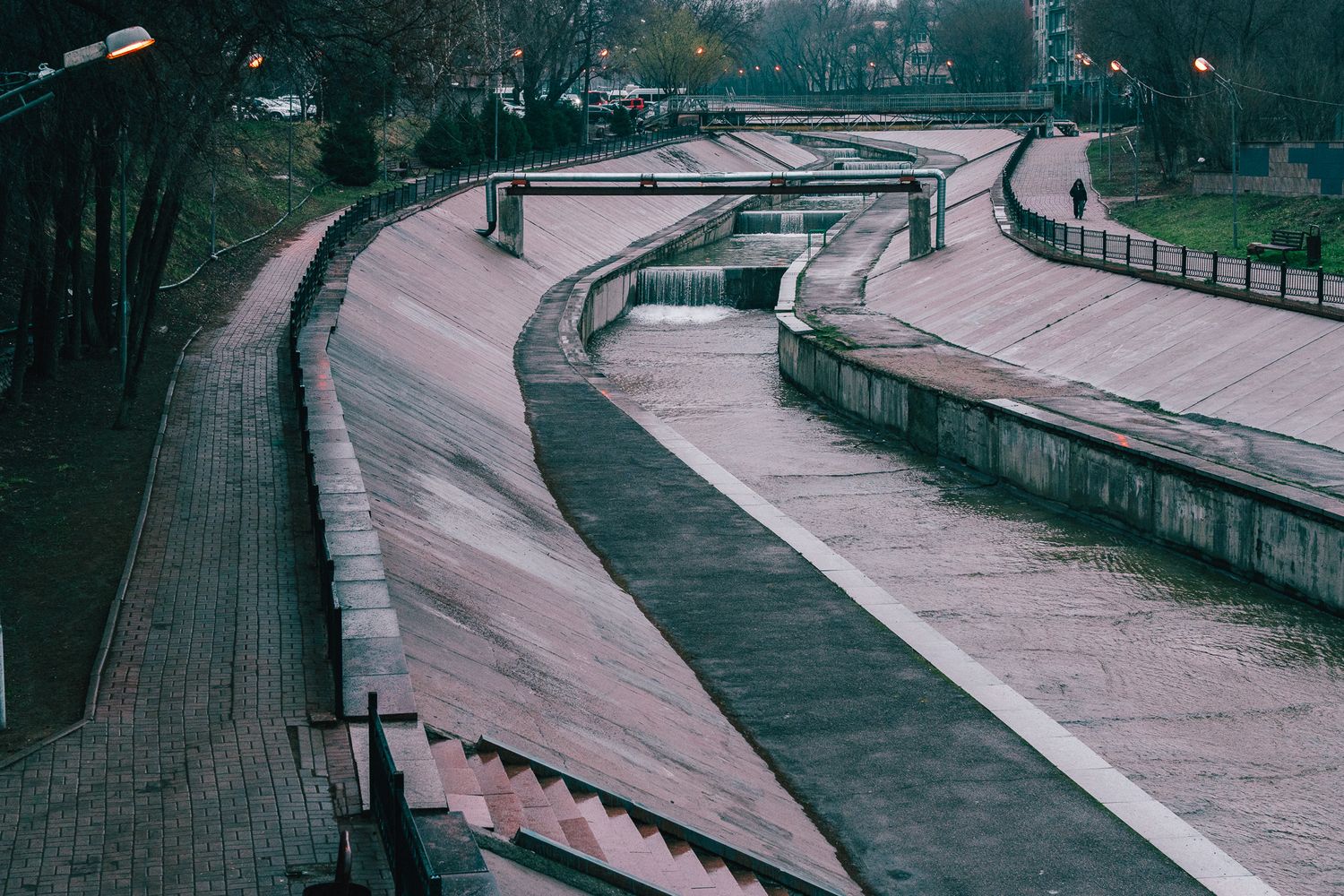
Canals near the hotel - Photo by Oliver Marks
Almaty is the largest city by population in Kazakhstan, with about 2.2 million residents, and it functions unlike any city I’ve ever been to. In my limited international travel, I’ve only been to Western, capitalist countries. In Almaty, the differences were tangible. Immediately after leaving the airport, the brutalist architecture caught my eye. The cityscape, even as viewed from my hotel room, was a chaotic mix of slowly deteriorating concrete apartment blocks and new, appearingly westernized commercial centers. Respectively, each represents two separate eras of the city. One, a Soviet satellite stained by monotony and a suppression of culture through the construction of drab, harsh urban centers made only for efficiency. The other, a symbol of resistance from Russian suppression and effort to reclaim a once silenced identity and to be accepted as an advancing city.
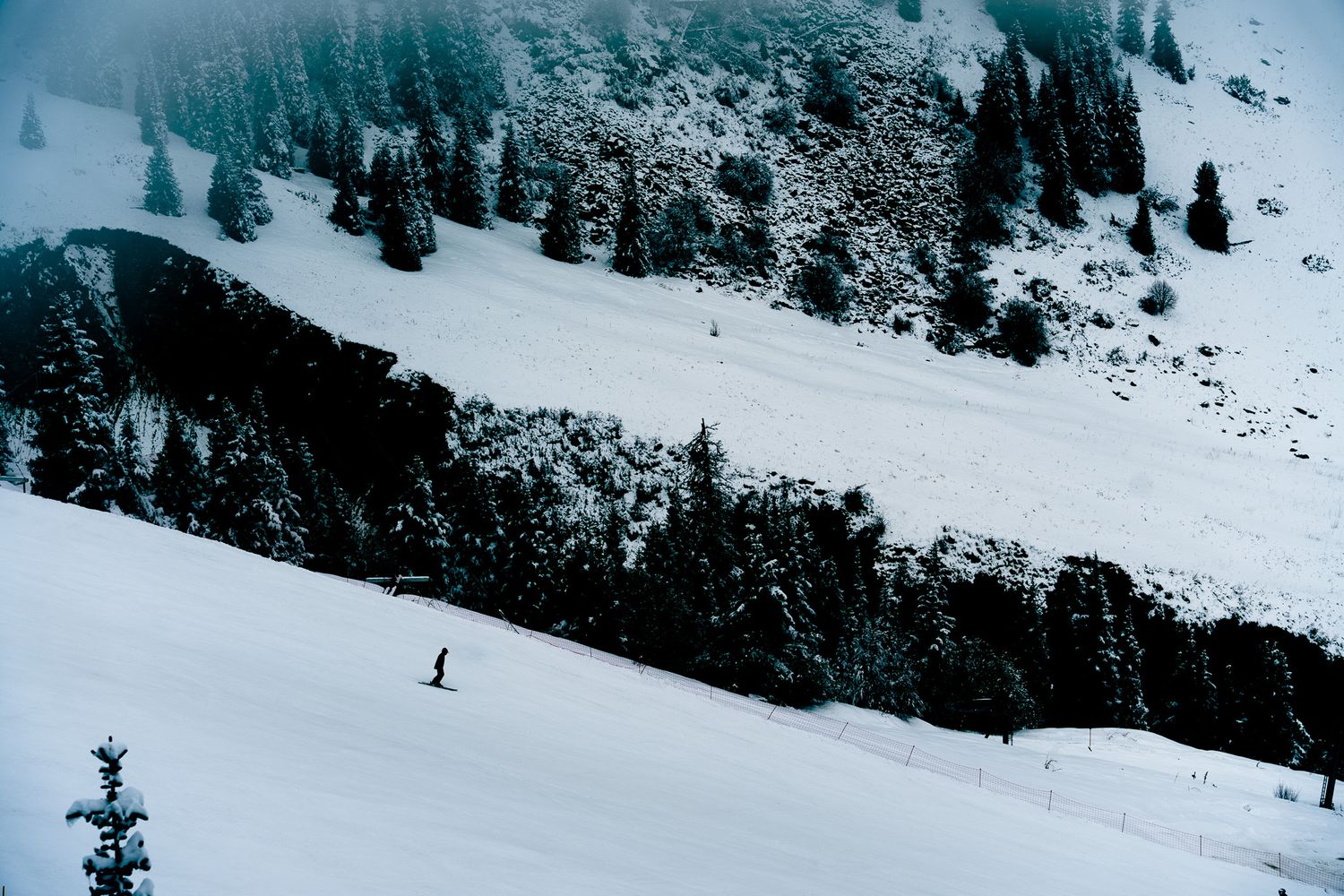
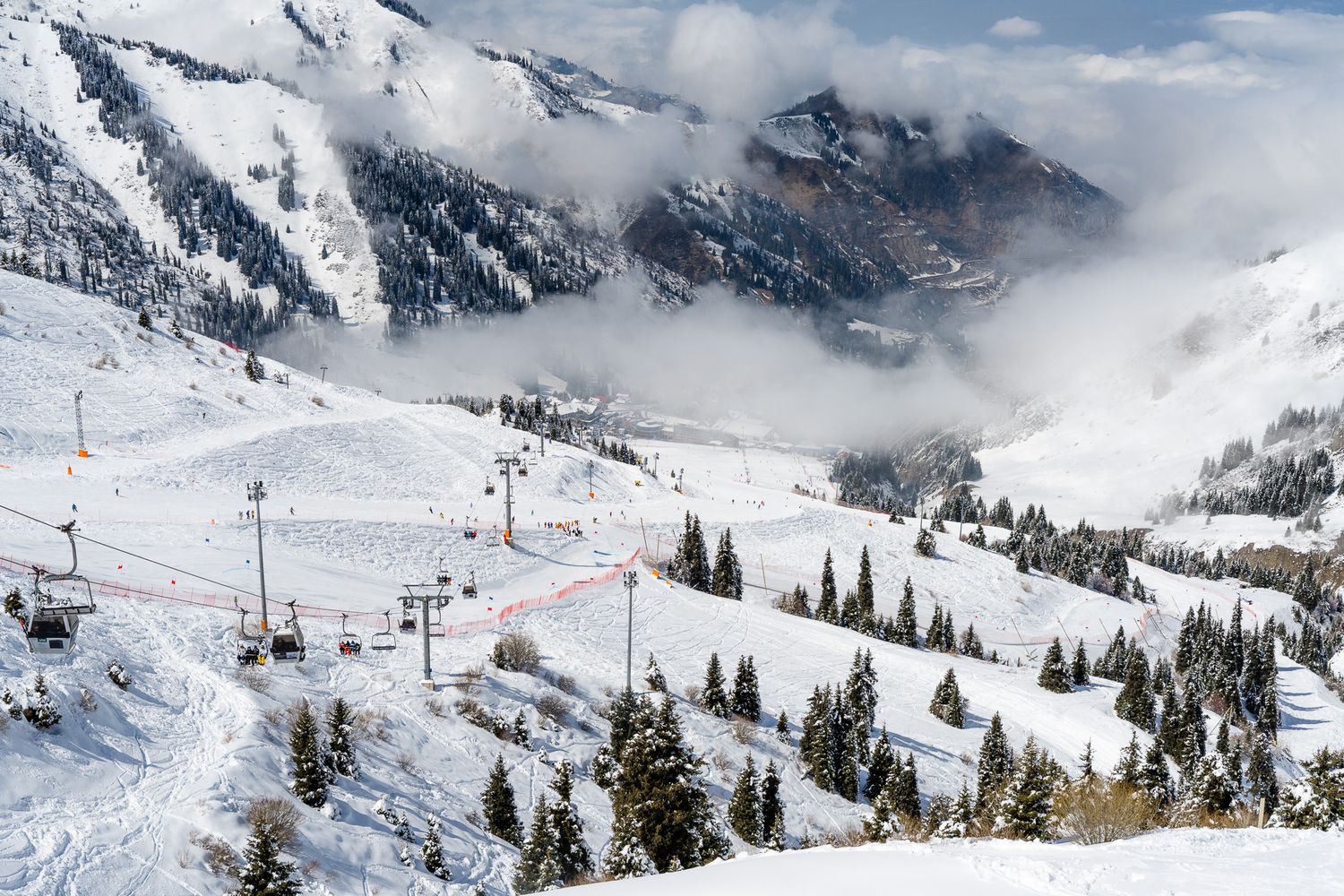
Overshadowing any man made structures, however, were the mountains. Before visiting, I hadn’t really heard about the geography of the city. As we descended into Almaty, though, I was taken aback by the piercing, scraggly peaks of the Tian Shan mountains. I was thrilled when we got to go up and explore these mountains for a day. We took the bus all the way out of the city and to Shymbulak, a ski resort. Even without skis, this trip was memorable. The beauty and scale of the mountains really reminded me of my time in the French Alps, and I still don’t know why or how I hadn’t heard about them before this trip.
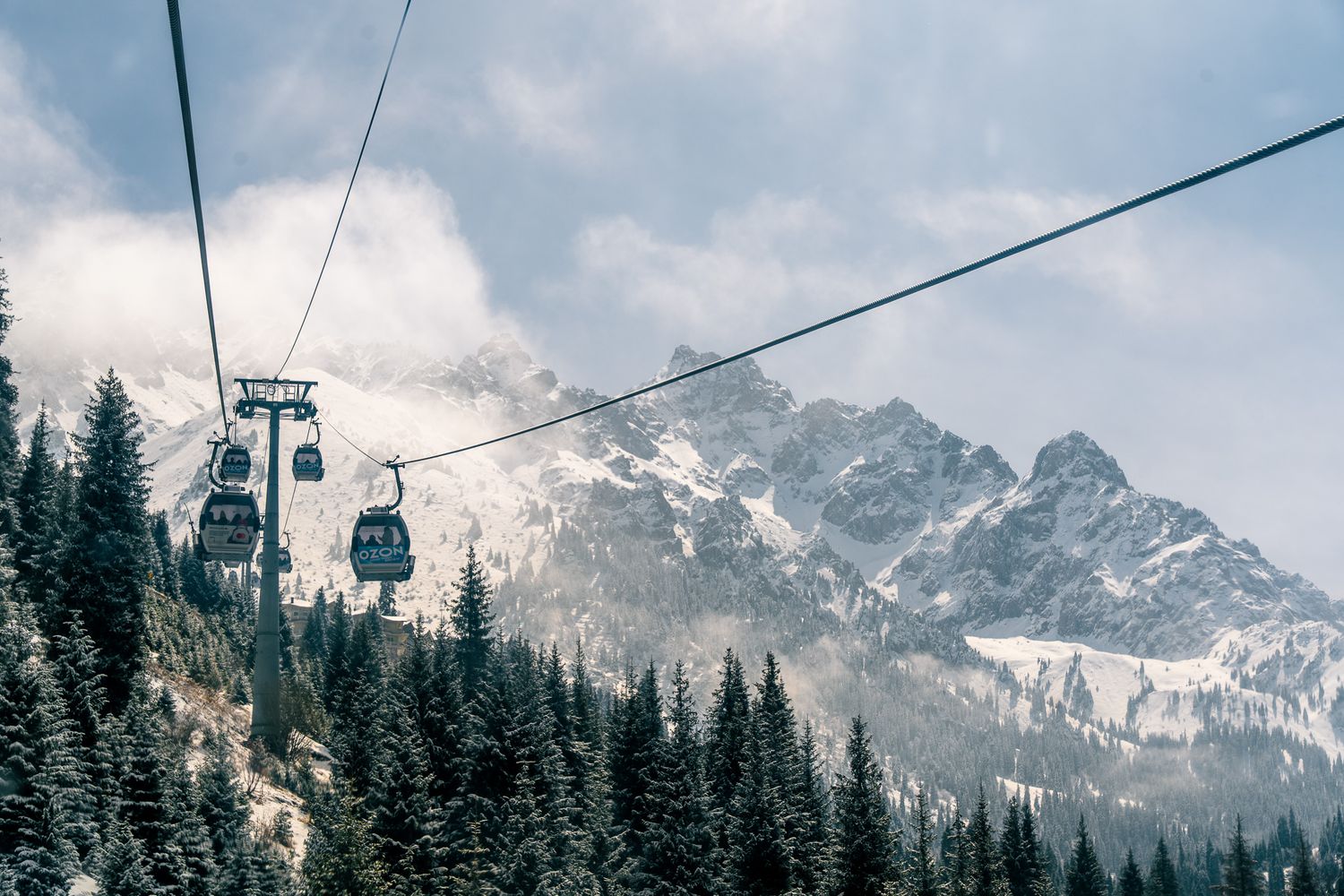
Shymbulak, Kazakhstan - Oliver Marks
For all the stunning, exciting moments on this trip, there were also thought-provoking experiences that made me think about my life in America differently. One of these situations came about when we visited the city square. Although upon first glance, it may look like a normal plaza, with a park and a couple restaurants sprinkled around a central space, closer examination reveals a horrifying truth. In January 2022, there was a sharp increase in gas prices, and that, paired with an overall discontent with the government, led to increasing tensions. On January 6th, these tensions erupted in Almaty as peaceful protests turned violent, leading to dozens of civilian deaths in the square. As we approached the plaza, I began to notice the evidence of this tragedy; bullet holes riddling the walls of nearby structures. The thought of such a great violence just for speaking out against a cause made me uneasy, but also reminded me of the freedoms I have that I often take for granted. I’m grateful to live in a country where, at least for now, we have the right to express ourselves and protest what we find wrong. I realized, too, that there’s a reason that these bullet holes remain unrepaired, even after 3 years; they serve as a grim symbol of what happens when the citizens of Almaty try to speak up, and in my interpretation, a warning not to do it again.
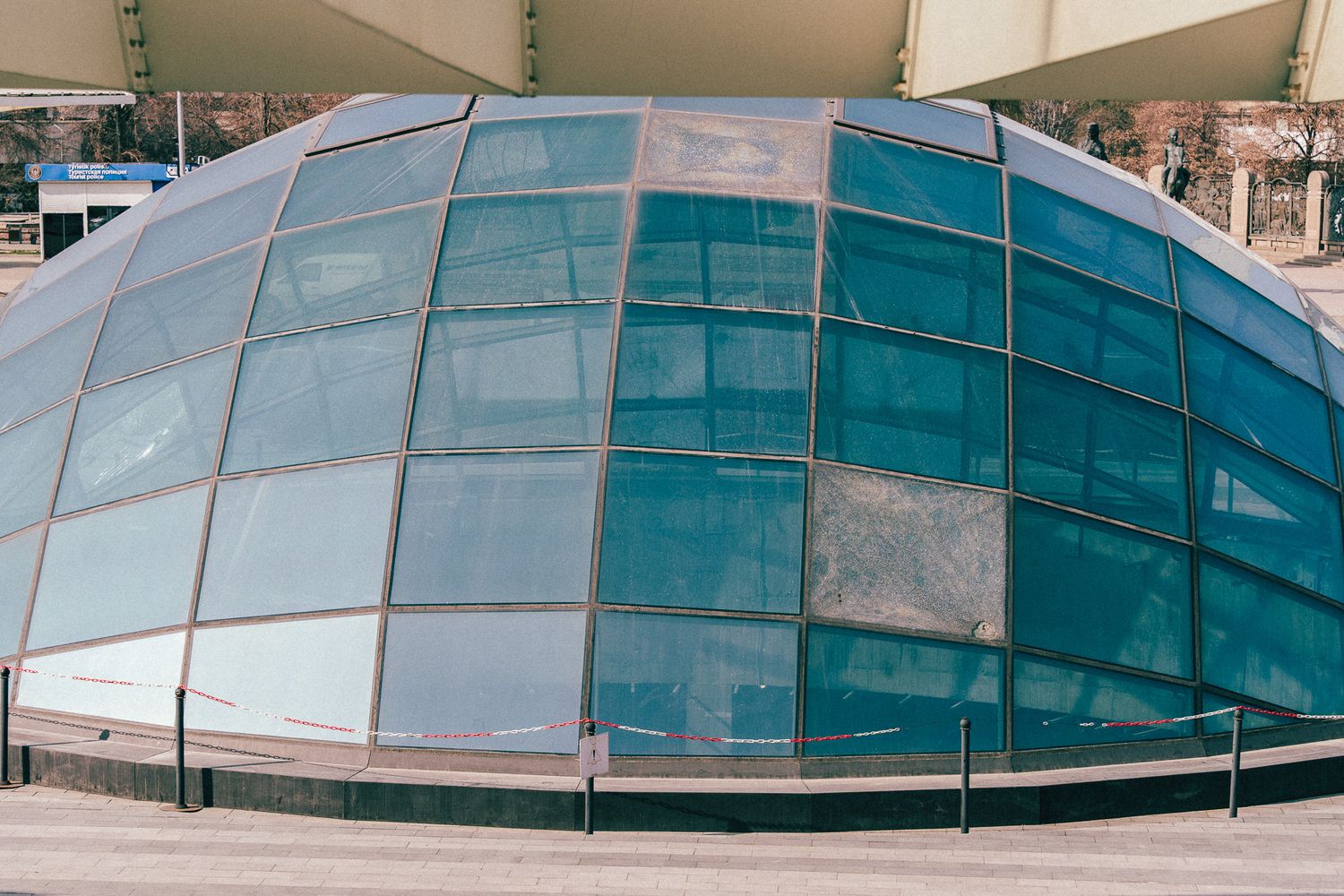
Bullet holes in a glass dome, Almaty - Oliver Marks
During my time in Almaty, we did too much to encapsulate in just one blog post, but I chose to talk about these three experiences because they challenged my perspective, opened my eyes to a complex and beautiful culture, and reminded me why travel, especially the kind that pushes you out of your comfort zone, is so important.
Sources
BBC News, "Kazakhstan unrest: 'If you protest again, we'll kill you'"
The Caspian Post, "Soviet Modernist Architecture in Almaty"
ForeignPolicy.com, "The Other Jan. 6"
What a global decline in bird population tells us about ecological crises
3.15.2025
On Thursday, March 13th, the U.S. The Committee of the North American Bird Conservation Initiative released their yearly “State of the birds” report, and this year's results indicate an alarming trend. According to the American Bird Conservancy, 2.9 billion birds across diverse species and habitats have been lost since 1970. Likewise, this new 2025 report shows a continuation of this decline, suggesting a level of high to moderate conservation concern for more than ⅓ of North American bird species. In forests and grasslands alone, population declines have totaled over 1.7 billion. Cornell’s center of Ornithology attributes this loss to a few key factors, with industrialization and agricultural development being the most substantial. As biomes like grasslands and wetlands are converted to farmland, millions of birds experience either a complete loss of habitat or partial habitat degradation. Additional factors like water quality and the presence of invasive plants can harm populations.
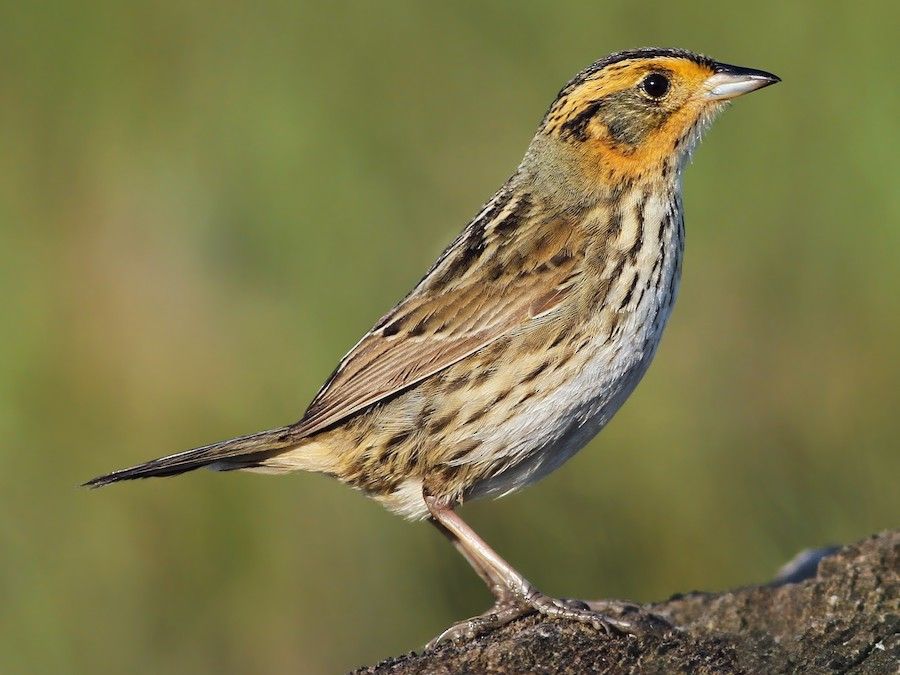
The Saltmarsh Sparrow has lost more than 50% of its population in the last 50 years. Photo credit: Evan Lipton, ebird.org
“These bird losses are a strong signal that our human-altered landscapes are losing their ability to support birdlife,” said ornithologist Ken Rosenberg. Additionally, global Climate change can alter birds’ migration patterns, throwing off millennia-old food webs and ecosystems in which avians play a crucial role. Some studies have even suggested that the presence of birds and wildlife has a direct correlation to mental clarity in humans.
Birds aren’t the only species facing these problems, they are just the most studied. Scientists warn that diminishing habitats and populations should serve as a miner’s canary, alerting us to the ecological danger that all species are facing around the globe. In response to these global issues, researchers at Cornell have shifted their approach to conservation. The effects of ecological changes have become so significant, they surmised that Instead of focusing on saving individual types of animals, we have to shift our focus to conserving entire species.
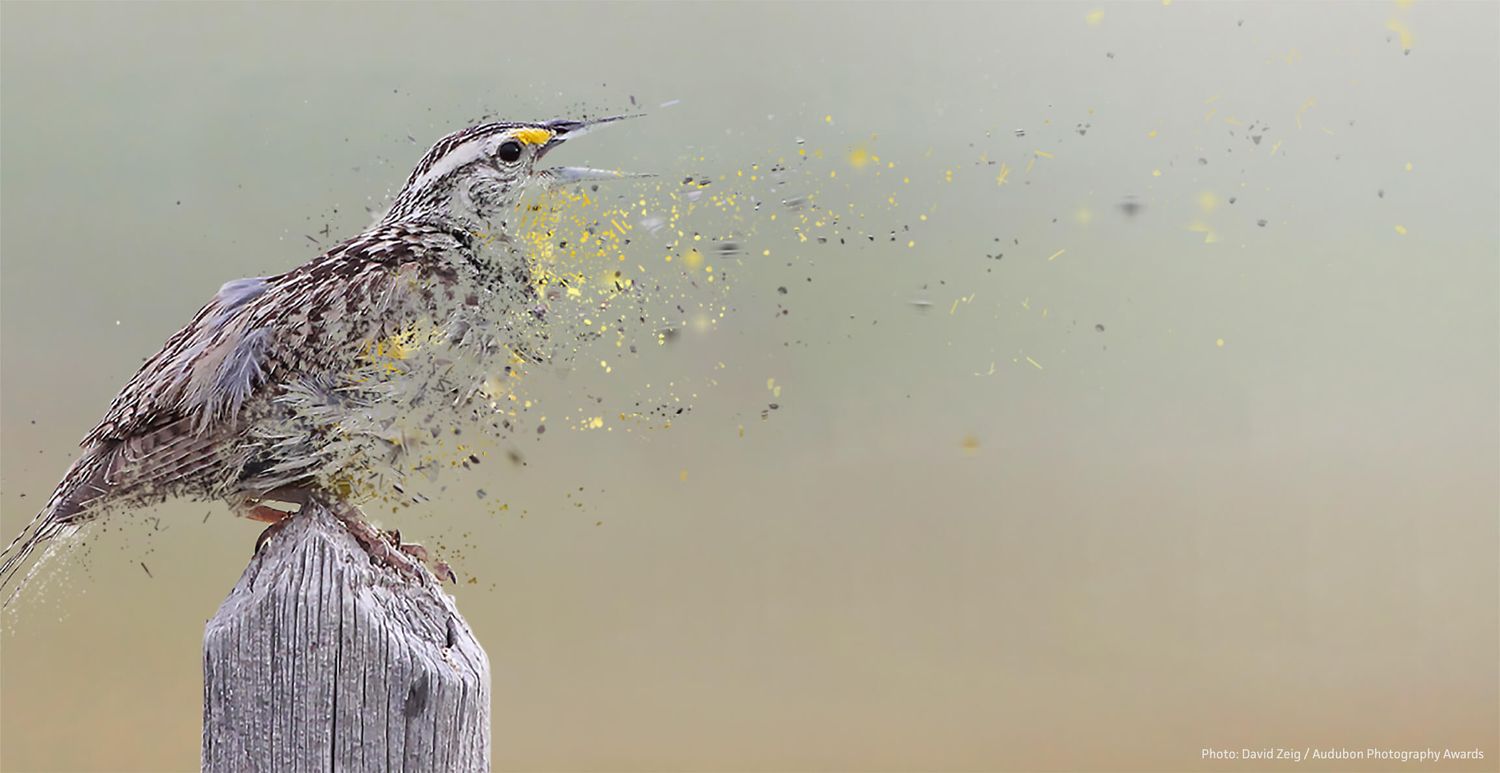
Photo credit: David Zeig
Sources
Virginia Tech News, "North America bird populations are declining; expert explains why"
Cornell University, "US bird populations continue alarming decline, new report finds"
American Bird Conservancy, "3 Billion Birds Gone"
Cornell Lab of Ornithology, "Vanishing: More Than 1 in 4 Birds Has Disappeared in the Last 50 Years"
Dr. Arend's talk at Poly
I want to thank Dr. Arend for returning to Poly and taking the time to speak with us. Right from the start of his presentation, I was captivated by his enthusiastic and entertaining style of speaking. I appreciated the way you broke down a topic with as many moving parts as global affairs into a digestible format. By starting with the history, I gained a comprehensive insight into what past events have led us to this point. I'm taking US History this year, so I was happy to see some of that curriculum be applied to current events. I especially liked that he started with Washington's farewell address, as it set the stage for talks of foreign etiquette and displayed the changing sentiment of the US's global policy.
The most salient point of the entire presentation, however, was Dr. Arend's focus on the recent tariffs. Although I think Dr. Arend did a good job at presenting the information in a non-biased fashion, it's hard not to look at the recent political decisions with a critical eye, especially when they can start such a grand economic fallout. I had an uneasy feeling during most of this presentation, as mentions of a trade war and economic damages kept coming up. It was great, however, to become informed about this issue, even if it isn't the most pleasant to think about. It was also interesting to hear how Trump could use these tariffs and potential negotiations as an opportunity to claim an American "victory." Somebody in the audience asked a question about the potential ramifications of these tariffs, to which Dr. Arend answered that even if they were lifted today, the impact they have and will have could potentially affect us years down the line.
In all, even if it wasn't the most optimistic talk, I learned a lot of valuable information about the state of the global politics under the Trump administration, and for that, I would like to thank Dr. Arend again.
Nyangai Island: A manifestation of climate change
Until recently, climate change felt like a future event. I took it seriously, and was fully aware of it's implications, but it hadn't registered that the grave effects that I had heard talked about for years were upon us, and have been upon us for quite some time. The recent Los Angeles fires, for example, are a testament to the severity of this situation, and around the globe, anomalous geological happenings are ever-present as well.
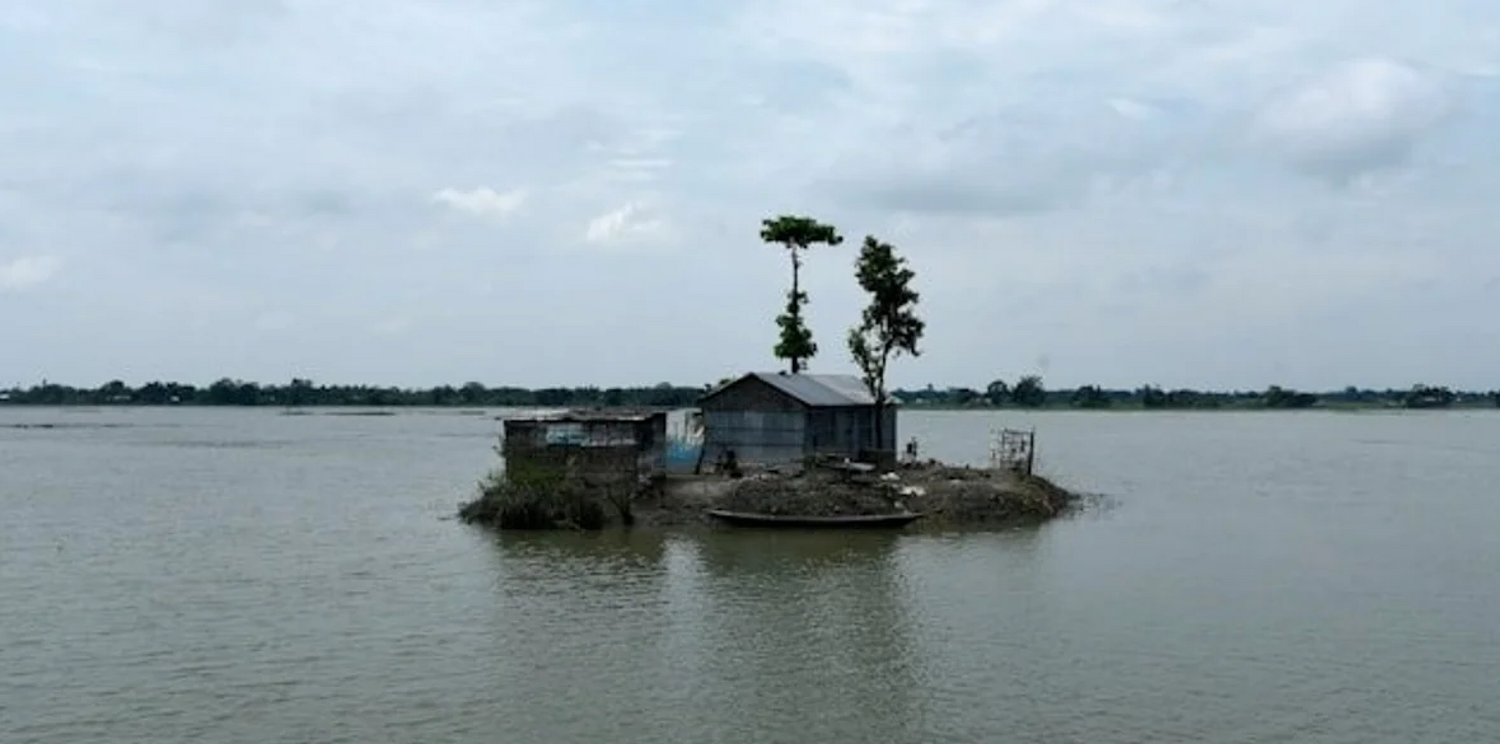
A lone house on the waters of Nyangai. Photo Credit: Vincenzo Cassano
Nyangai Island is a small land mass located in Sierra Leone's Turtle Island archipelago, and for the past decade, it's been rapidly shrinking as a result of climate change. Over the last decade, the once 2000+ foot wide island has shrunken to just 250 feet, and will only worsen. Homes, soccer fields, trees, all submerged, and the rising water shows no sign of stopping. The inhabitants of Nyanagai can do little to prevent it. Mustafa Kong, the Chief of the island, observed that nearly 430 homes have been lost to the waves in just 20 years. These conditions, although extreme, reflect a worsening situation across the entire country, and even continent.
The University of Notre Dame's ND-GAIN Country Index places Sierra Leone in the top 10 countries that are most vulnerable to the effects of climate change. With a large coastal population, as well as an agricultural, fishing-based economy, the implications of rapid changes to the coastline could put the country at high risk. Additionally, the situation on Nyangai could foreshadow a larger trend in the negative impacts of climate change and their disproportional effect on countries that lack the resources to mitigate them. According to The Economist, the United Nations estimates that over one hundred million Africans may have to leave their homes by 2050 as a result of climate change, although only contributing 3% to global carbon-dioxide emissions since the industrial revolution.
Although an extreme example, Nyangai Island's sinking manifest the worsening situation of climate change. It serves as a stark reminder that those who have contributed the least to climate change are often the ones bearing its heaviest burdens.
Sources:
The Economist, "The sea is swallowing an African island" https://www.economist.com/middle-east-and-africa/2025/02/27/the-sea-is-swallowing-an-african-island
NPR, "A disappearing island: 'The water is destroying us, one house at a time'"
Geographical, "Sierra Leone’s disappearing island"
Erwin Chemerinsky's talk at Poly
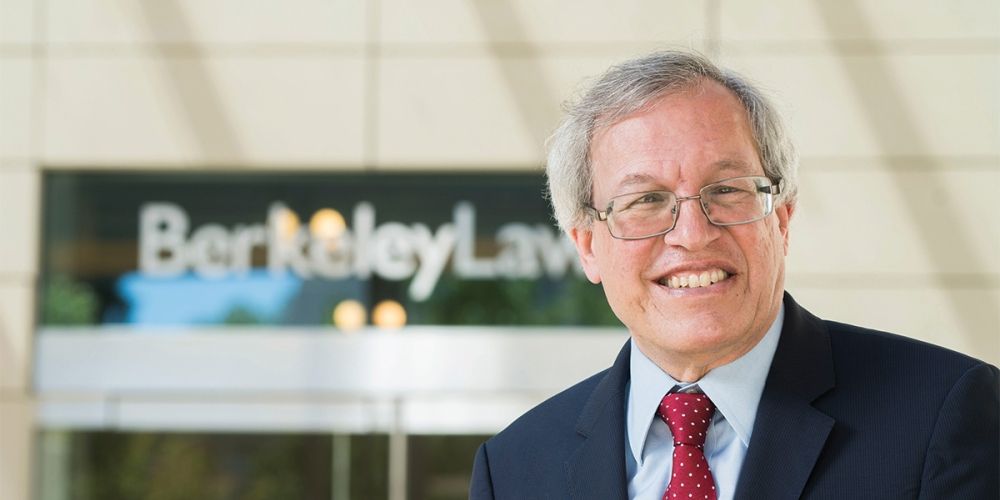
I want to say thank you to Mr. Chemerinsky for setting aside the time to come speak at Poly. It was both riveting and chilling to listen to him talk about the state of American democracy, how it got to where it is, and what we can expect for the future. I feel like every morning I wake up to new headlines about how the current administration is carrying out executive orders, or performing harmful actions that potentially go directly against the Constitution. To hear Mr. Chemerinsky contextualize and explain our current political state helped me to better understand what's really happening in the government. I appreciate that you didn't try to fluff up, or sugarcoat any of your words, and instead spoke very directly, not sparing any of the frightening details. Something I found very interesting about your talk that as far as I can tell is not always in the headlines is the use of advanced computers in gerrymandering.
I was surprised to learn that people are so blatantly tampering with the fairness of elections and it isn't more well known or prevented more often. It really begs the question of why more states aren't forced to adopt an independent system like California's. Something that really irked me was your talk about the current attitudes of Academia and the dilemma faced by educational institutions. Mr. Chemerinsky told us about his efforts to form a group of top law schools to stand up to the clear constitutional violations by Trump and his cabinet, and how these efforts were largely unsuccessful because of the fear that resistance would lead to schools losing federal financial aid. I was shocked about how arbitrary a role the federal government holds in the education of the American people, and that Trump has the power to cut funding to schools that teach things he doesn't necessarily agree with. In all, this talk wasn't the most optimistic, or uplifting, but I think that was what made it so effective. It opened my, and hopefully my classmates', eyes to what's happening in the government right now and how crucial these next few years could be in determining the path of America's future.